Disdik Picks is reader-supported. When you buy through links on our site, we may earn a commission at no extra cost to you. As an Amazon Associate, we earn from qualifying purchases. Learn more ›
Best Pulse Oximeters: 5 Fingertip Picks for Home Checks
Compare the best pulse oximeters for home spot checks: five fingertip models compared by SpO2 range, display, perfusion index, memory and battery life.
Nov 19, 2026
Updated Nov 20, 2026
11 min read
0 views
Compare the best pulse oximeters for home spot checks: five fingertip models compared by SpO2 range, display, perfusion index, memory and battery life.
⭐ Key Takeaways
Quick answer: Our top pick is Innovo Deluxe iP900AP Fingertip Pulse Oximeter, with Zacurate Pro Series 500DL Fingertip Pulse Oximeter as a strong alternative.
The best pulse oximeters for most homes are fingertip models that show blood oxygen saturation (SpO2) and pulse rate in about ten seconds, run on two AAA batteries, and publish a clear accuracy figure. If you want the fullest feature set, the Innovo Deluxe iP900AP adds a perfusion index reading, a plethysmograph waveform, and an audible alarm to an OLED screen. If you want a simple everyday checker, the Zacurate Pro Series 500DL pairs a user-facing LED display with a silicone cover and lanyard in the box. The Wellue Fingertip Pulse Oximeter suits anyone who wants readings saved, because it stores the last twelve results and links to a phone app by Bluetooth. On the budget side, the Santamedical Generation 2 SM-1100S and the AccuMed CMS-50D1 cover the basics with published ranges, included batteries, and carry cases. Every pick below is a spot-check device for wellness, sport, and aviation use, and the specs quoted are the figures each maker publishes.
As an Amazon Associate, we earn from qualifying purchases.
Table of Contents
What a Pulse Oximeter Measures
How to Choose a Pulse Oximeter
Innovo Deluxe iP900AP Fingertip Pulse Oximeter
Zacurate Pro Series 500DL Fingertip Pulse Oximeter
A fingertip pulse oximeter shines red and infrared light through the finger and estimates two numbers from the light that passes through. The first is SpO2, the estimated percentage of hemoglobin carrying oxygen, shown as a figure that can reach 100 percent on the Zacurate 500DL. The second is pulse rate, shown in beats per minute across a published range such as 30 to 255 bpm on the Santamedical SM-1100S or 30 to 250 bpm on the AccuMed CMS-50D1. Some models add a third figure, the perfusion index, which reflects the strength of the pulse signal at the fingertip and helps show whether the finger is positioned well for a reading. Others, such as the Innovo iP900AP, draw the plethysmograph waveform on screen so the pulse pattern is visible while the numbers settle. Readings are spot checks only. The makers of the fingertip models in this guide describe them as devices for sports, aviation, and general wellness use, and several state plainly that the device is not a medical device and is not intended to diagnose or treat any condition.
How to Choose a Pulse Oximeter
Accuracy figure. Makers publish an accuracy figure for the SpO2 range where readings matter most. The Zacurate 500DL and the Santamedical SM-1100S both publish plus or minus 2 percent across the 70 to 100 percent band, and the CONTEC-built CMS-50D1 platform publishes the same plus or minus 2 percent figure in that band. A model that prints its accuracy figure and its measuring range is easier to compare than one that leaves both unstated.
Display type. LED screens, like the one on the Zacurate 500DL and the AccuMed CMS-50D1, are simple and readable, and the Zacurate turns the display toward the wearer. OLED screens, like the one on the Innovo iP900AP, can show more on one screen, including a waveform and perfusion index, and the Innovo rotates its display in six directions so the numbers read upright from either side of the finger.
Extra readings and alarms. A perfusion index helps confirm signal quality, and an alarm can flag a reading outside a limit you set. Only the Innovo in this group combines both with a plethysmograph. If you only need two numbers, the simpler LED models cover that with fewer settings to manage.
Memory and apps. Most fingertip units show the current reading and nothing more. The Wellue keeps the twelve most recent readings in memory and connects by Bluetooth to a companion app, which suits anyone tracking a pattern of spot checks over days rather than a single figure.
Power and battery life. Every model here runs on two AAA batteries. Published battery figures vary: the Santamedical manual lists more than 30 hours of continuous monitoring, while the AccuMed listing describes up to 20 hours of continuous use for the CMS-50D1. Auto shut-off, fitted on the Santamedical and the AccuMed, turns the unit off shortly after the finger is removed and stretches battery life between checks.
What is in the box. Covers, cases, and lanyards differ. The Zacurate includes a silicone cover and lanyard, the Wellue includes a carry bag and lanyard, the Santamedical includes a case and a neck and wrist cord, and the AccuMed includes a lanyard and travel case.
The Innovo Deluxe iP900AP is the premium pick in this group because it publishes the widest set of on-screen information. Its OLED display shows SpO2, pulse rate, perfusion index, and a plethysmograph waveform together, and the display rotates through six directions so the wearer or a person sitting opposite can read it. An adjustable alarm and a pulse beep can be switched on for spot checks where a limit matters, such as a set SpO2 floor during altitude training. The unit runs on two AAA batteries and is described by its maker as a device for spot checking at home, in sport, and in recreational settings. For buyers who want the extra signal-quality information that the perfusion index gives, and who are comfortable moving through a settings menu, this is the most complete fingertip option here.
Zacurate Pro Series 500DL Fingertip Pulse Oximeter
Runner-Up
Zacurate Pro Series 500DL Fingertip Pulse Oximeter
The Zacurate Pro Series 500DL is the mid-range everyday pick, built around an LED display that faces the person wearing it rather than pointing upward. Zacurate publishes that this is the only LED pulse oximeter in its line that can display an SpO2 value up to 100 percent, and the published accuracy figure is plus or minus 2 percent in the 70 to 100 percent range. The box includes two AAA batteries, a silicone cover that guards the shell against dirt and knocks, and a lanyard. The maker states the 500DL is made to the CE and FDA standards set for pulse oximeters designed for sports enthusiasts and pilots, and that it is intended for sports and aviation use only. Buyers who want two clear numbers, a cover included, and no menu of extra settings will find this the straightforward choice.
The Wellue Fingertip Pulse Oximeter is the mid-range pick for anyone who wants a short history of readings instead of a single number. Published figures give a reading time of about eight seconds, and the unit stores the twelve most recent readings in its memory. Bluetooth support links it to a companion phone app, so spot checks can be gathered in one place over time. It runs on two AAA batteries, which are included, and the box also holds a carry bag and a lanyard. The maker describes the device as a wellness unit for sports and aviation use rather than a diagnostic tool. For a home that checks the same person morning and evening, the memory and app support are the reasons to choose this model over a display-only unit.
The Santamedical Generation 2 SM-1100S is a budget pick with a fully published spec sheet. Its manual lists a pulse rate measuring range of 30 to 255 beats per minute and an SpO2 figure of plus or minus 2 percent, and it lists battery life at more than 30 hours of continuous monitoring from the two included AAA batteries. The unit switches off on its own when it sits idle, which helps the batteries last between occasional checks. The package includes the oximeter, a protective case, a neck and wrist cord, the batteries, and a user manual, and the maker backs it with a one-year warranty. The maker describes it as a spot-check device for home, sport, and recreational use, including mountain climbing and running, and not for medical use. Buyers who want the lowest tier with named ranges, a case, and a warranty in writing will find the SM-1100S covers each point.
The AccuMed CMS-50D1 is a budget pick built on the long-running CONTEC CMS50D1 platform, with an LED display and a simple two-number readout. The Amazon listing for the AccuMed model gives an SpO2 measuring range of 70 to 100 percent, and the platform specifications publish a pulse rate range of 30 to 250 bpm with readings in about eight to ten seconds. It runs on two AAA batteries and includes a lanyard and a travel case, and published descriptions of the listing cite up to 20 hours of continuous use with automatic power-off once the finger is removed. AccuMed states the CMS-50D1 is designed for sports and aviation use and is not intended for medical use, and that readings should be taken while sitting still, since movement can affect the result. It suits buyers who want a light, basic checker that travels in its own case.
Frequently Asked Questions
What does a pulse oximeter measure?
A fingertip pulse oximeter estimates SpO2, the share of hemoglobin carrying oxygen, and pulse rate in beats per minute. Some models, such as the Innovo iP900AP, also show perfusion index and a plethysmograph waveform that reflects the pulse signal at the fingertip.
Are fingertip pulse oximeters medical devices?
The makers of the models in this guide describe them as spot-check devices for sports, aviation, and general wellness use, and several state that the device is not a medical device. They are built for personal spot checks and are not intended to diagnose, treat, or monitor a medical condition.
What is perfusion index on a pulse oximeter?
Perfusion index is a figure derived from the pulse signal at the fingertip that reflects how strong that signal is. A steadier, stronger signal generally supports a more reliable reading, which is why models such as the Innovo iP900AP show it beside the SpO2 and pulse rate numbers.
How long do the batteries last in a fingertip pulse oximeter?
All five models here run on two AAA batteries, and published figures differ by model. The Santamedical manual lists more than 30 hours of continuous monitoring, while published descriptions of the AccuMed CMS-50D1 cite up to 20 hours of continuous use, and auto shut-off features extend the time between battery changes for occasional spot checks.
Conclusion
For most homes, the Zacurate Pro Series 500DL covers the job with a clear wearer-facing display, a published accuracy figure, and a cover in the box. Step up to the Innovo Deluxe iP900AP if perfusion index, a waveform, and an alarm matter, or pick the Wellue if saved readings and an app are worth more than extra screen data. The Santamedical SM-1100S and AccuMed CMS-50D1 hold the budget tier with named ranges, included batteries, and cases. Whichever model you choose, treat the numbers as wellness spot checks, keep the finger still while the reading settles, and follow the limits each maker publishes for its device.
D
Disdik Picks Editorial Team
We compare specs, materials and verified owner reviews before a product earns a spot. Rankings are never paid.
Affiliate disclosure. As an Amazon Associate we earn from qualifying purchases at no extra cost to you. Prices accurate as of the date shown.
Find the best razors for women for legs, underarms and sensitive skin. Compare five cartridge, disposable and shave-kit options and choose a smooth shave.
We compared the best comforters for every sleeper, from light all-season inserts to plush king-size picks, so you can find the right warmth for your bed.
We compared the best calculators for students, professionals, and home offices, covering scientific, graphing, financial, printing, and desktop models.

 Innovo Deluxe iP900AP Fingertip Pulse Oximeter
 Zacurate Pro Series 500DL Fingertip Pulse Oximeter
 Wellue Fingertip Pulse Oximeter
 Santamedical Generation 2 SM-1100S Fingertip Pulse Oximeter
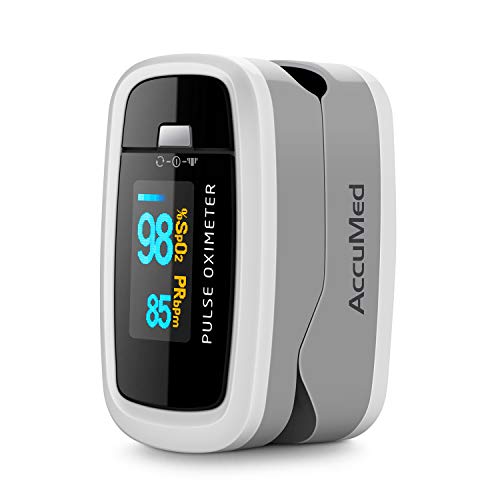 AccuMed CMS-50D1 Fingertip Pulse Oximeter










Write Your Review
No reviews yet. Be the first to share your experience!