Disdik Picks is reader-supported. When you buy through links on our site, we may earn a commission at no extra cost to you. As an Amazon Associate, we earn from qualifying purchases. Learn more ›
Best Compression Socks for Nurses and Long Work Shifts
The best compression socks for nurses and long work shifts compared, from firm 20-30 mmHg medical-grade pairs to budget multi-packs for everyday wear.
Nov 19, 2026
Updated Nov 20, 2026
9 min read
0 views
The best compression socks for nurses and long work shifts compared, from firm 20-30 mmHg medical-grade pairs to budget multi-packs for everyday wear.
⭐ Key Takeaways
Quick answer: Our top pick is Sockwell Women's Elevation Firm Compression Socks, with Physix Gear Compression Socks 20-30 mmHg as a strong alternative.
Twelve hours on hard hospital floors does something predictable to legs: blood and fluid pool in the lower leg, ankles swell, and by the last hours of a shift your calves ache in a way that sitting down barely fixes. Graduated compression socks push back against that process by squeezing tightest at the ankle and easing off toward the knee, which helps circulation keep moving instead of settling. That is why they have become standard kit for nurses, and just as useful for retail staff, warehouse workers, teachers and anyone else whose job is measured in steps and standing hours.
The five pairs below span the real choices in this category: firm medical-grade compression, moderate everyday compression, a budget single pair, a budget multi-pack, and a men’s-specific fit. The notes focus on compression level, sizing and durability, because those are what decide whether a pair gets worn every shift or abandoned in a drawer.
As an Amazon Associate, we earn from qualifying purchases.
Quick answer
Most nurses should start with a true 20-30 mmHg graduated pair, which gives meaningful support for long shifts; the Physix Gear and SB SOX socks are the straightforward choices at that level. If comfort and easy wear matter more than maximum squeeze, Sockwell’s cushioned merino blends feel better across twelve hours. Budget buyers should pick the CHARMKING multi-pack at a gentler 15-20 mmHg and rotate pairs daily.
Sockwell builds its Elevation line around a firm 20-30 mmHg graduated profile, but the feel is closer to a premium hiking sock than a medical device. The blend uses merino wool with bamboo rayon and nylon, which manages moisture and temperature better than plain synthetics, and there is light cushioning through the sole. The spandex content keeps the graduated squeeze consistent from ankle to calf without the binding top band that makes cheaper socks miserable by hour ten.
Sizing is by shoe size with a proper women’s calf fit, and the range of colors and subtle patterns means they pass as ordinary socks under scrubs. The wool blend also resists odor across a long shift better than polyester. These are the socks to choose if you will wear compression daily and want the pair you forget you are wearing, provided your budget allows a quality pair rather than a rotation of cheap ones.
Physix Gear is the workhorse recommendation in this category. The socks deliver a genuine 20-30 mmHg graduated compression in a durable nylon-spandex fabric, with a reinforced heel and toe and a fit that stays up through a full shift without sliding into the shoe. The brand built its name on athletic compression, and the construction shows it: these feel snug, structured and supportive from the moment they go on.
They come in men’s and women’s sizing and a wide run of colors, and they wash well over months of regular use, which matters for a product that needs laundering after every shift. Nurses who stand all day and want firm, honest compression without premium pricing usually land here. If your calves are larger, measure before ordering, because the firm profile is genuinely firm and the wrong size will feel punishing rather than supportive.
SB SOX offers the same firm 20-30 mmHg graduated class as Physix Gear in a slightly softer, more forgiving knit. The fabric blend breathes well, the toe box is roomier than average, and the compression, while fully in the firm category, comes on more gradually, which many first-time compression wearers find easier to tolerate for a full shift.
This is often the best first pair for someone moving up from fashion compression socks or gentle 15-20 mmHg pairs and wondering whether firm compression will be too much. It usually is not, and SB SOX is a comfortable way to find out. The brand covers a broad size range for both men and women, and the socks hold their shape well through repeated washing. Choose these if you want firm support with the least adjustment period.
CHARMKING plays a different game: a three-pair pack at a gentle-to-moderate 15-20 mmHg, sold in a wide variety of colors and patterns. The compression is real but mild, suitable for people whose legs get tired rather than swollen, for shorter shifts, and for anyone who wants to test whether compression helps before committing to firmer medical-grade pairs. Having three pairs in rotation also solves the laundry problem for daily wearers.
The trade-offs match the positioning. The knit is thinner, long-term durability is lower than the firm pairs above, and 15-20 mmHg will not satisfy a nurse whose ankles genuinely swell by mid-shift. But as an entry point, a travel sock, or a light-duty option for eight-hour days on your feet, the value is hard to argue with. Many buyers start here and later add one firm pair for the longest shifts.
The men’s Elevation applies the same formula as the women’s version: firm 20-30 mmHg graduated compression in a merino wool blend with cushioning, sized and shaped for men’s feet and calves. Male nurses, surgeons, porters and technicians get the same moisture management and all-day comfort, with a fit that accounts for larger calf circumference and longer foot length rather than simply scaling a unisex pattern.
Men new to compression often resist the medical look of traditional support hose, and this line’s ordinary-sock appearance removes that objection. The wool blend also suits men who run warm, since merino regulates temperature in both directions. If you are buying for a man who stands all shift and has never kept compression socks on past lunchtime, this is the pair most likely to change his mind, because it feels like a good sock first and a medical product second.
How to choose
Compression level comes first, and it is measured in mmHg. A 15-20 mmHg pair is a comfort product for tired legs and mild fatigue. A 20-30 mmHg pair is the standard recommendation for people on their feet all day with real swelling or aching, and it is the level most nurses settle on. Higher levels exist but belong in a conversation with a clinician, especially if you have circulation conditions.
Fit decides everything else. Measure your calf at its widest point in the morning and match it to the brand’s size chart rather than guessing from shoe size alone. A pair that is too small will dig in and get taken off by noon; too large and it delivers little compression at all. Then think about material: merino blends manage odor and temperature best for daily wear, while synthetic knits dry fastest and usually cost less. Finally, plan rotation. Compression socks need washing after each shift and a day of rest to recover their elasticity, so two or three pairs is the practical minimum for full-time work.
Who should skip
Skip compression socks and talk to a doctor first if you have peripheral artery disease, severe circulation problems, open wounds or a skin infection on the leg, because external compression can make some conditions worse. Also skip the firm 20-30 mmHg level if you only sit at a desk, where gentle compression or simply walking breaks serve better. If your leg swelling is new, one-sided, or paired with pain or redness, that needs medical attention rather than a product purchase. And if you cannot tolerate anything snug on your calves even after correct sizing, a mild 15-20 mmHg pair is a better compromise than a firm pair left in the drawer.
FAQ
How many hours a day can I wear compression socks?
Most people wear them for the full working day, putting them on in the morning before legs swell and removing them at home in the evening. They are generally not worn to sleep unless a clinician advises it. If your legs feel worse with them on, check the size before blaming the concept.
Should I choose 15-20 or 20-30 mmHg for nursing shifts?
For twelve-hour shifts with noticeable end-of-shift swelling and aching, 20-30 mmHg is the usual recommendation and the level most nurses prefer once they try it. The 15-20 mmHg level suits shorter shifts, milder symptoms, and first-time wearers testing the idea.
How do I wash compression socks?
Wash them after each wear in cool or warm water, by machine on a gentle cycle in a mesh bag or by hand, and air dry them flat or hanging. Heat from a dryer breaks down the elastic fibers that create the compression, so tumble drying shortens their useful life noticeably.
How long does a pair of compression socks last?
With daily wear and proper washing, most pairs hold their rated compression for roughly three to six months before the elastic relaxes. Rotating several pairs extends the life of each. When a pair slides down easily or feels no firmer than a regular sock, it is time to replace it.
Final verdict
For long shifts, firm graduated compression is the single cheapest upgrade a nurse can make to how a workday feels. Physix Gear and SB SOX deliver that 20-30 mmHg support in durable, affordable form, the Sockwell Elevation pairs add merino comfort worth paying for if you wear them daily, and the CHARMKING pack is the low-risk way to test gentler compression. Measure your calf, pick the level honestly, and rotate at least two pairs.
D
Disdik Picks Editorial Team
We compare specs, materials and verified owner reviews before a product earns a spot. Rankings are never paid.
Affiliate disclosure. As an Amazon Associate we earn from qualifying purchases at no extra cost to you. Prices accurate as of the date shown.
Find the best razors for women for legs, underarms and sensitive skin. Compare five cartridge, disposable and shave-kit options and choose a smooth shave.
We compared the best comforters for every sleeper, from light all-season inserts to plush king-size picks, so you can find the right warmth for your bed.
We compared the best calculators for students, professionals, and home offices, covering scientific, graphing, financial, printing, and desktop models.

 Sockwell Women’s Elevation Firm Compression Socks
 Physix Gear Compression Socks 20-30 mmHg
 SB SOX Compression Socks 20-30 mmHg
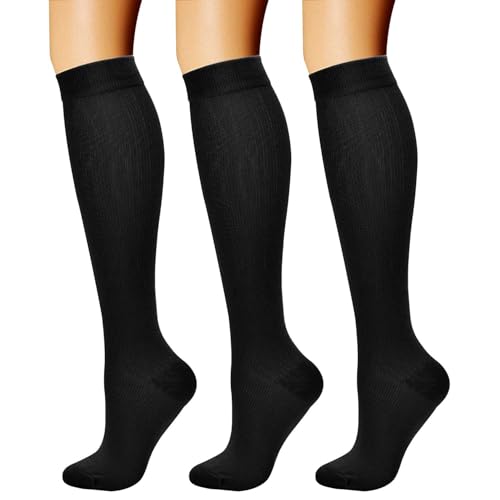 CHARMKING Compression Socks, 3 Pairs, 15-20 mmHg
 Sockwell Men’s Elevation Firm Compression Socks










Write Your Review
No reviews yet. Be the first to share your experience!