Disdik Picks is reader-supported. When you buy through links on our site, we may earn a commission at no extra cost to you. As an Amazon Associate, we earn from qualifying purchases. Learn more ›
Baby Wrap vs Structured Carrier: Which Is Better for You?
Baby wrap vs structured carrier compared: comfort, support, age range, and ease of use, plus five real carriers to help parents choose well.
Nov 19, 2026
Updated Nov 20, 2026
10 min read
6 views
Choosing between a baby wrap and a structured carrier is one of the first practical decisions many parents face, and the right answer depends less on a single winner than on baby age, caregiver body, and how the carrier will be used each day. A wrap is a long piece of fabric tied around the caregiver to form a custom pouch. A structured carrier has a shaped panel, padded straps, buckles, and a waist belt that clip on in a repeatable way. Both can support close contact, hands-free movement around the home, and outings without a stroller, but they feel very different in daily life.
Wraps tend to shine in the newborn weeks, when a soft, close fit and even weight distribution feel comfortable for frequent short carries. Structured carriers tend to shine over a longer span, as a baby grows heavier and joins longer walks and back carries. This comparison covers five real products sold on Amazon, three wraps and two structured carriers. Safety always comes first, so follow the maker instructions, keep the baby airway clear and visible, and check fit at every use.
As an Amazon Associate, we earn from qualifying purchases.
Quick answer
Choose a wrap for the newborn stage, a close custom fit, and even weight spread for frequent short carries at home. Choose a structured carrier for longer use, heavier babies, quicker buckle-on setup, and front, hip, and back positions over many months. Many families use a wrap first and a structured carrier later, because the strengths of each style suit different stages.
The Boba Baby Wrap Carrier is a stretchy wrap made from a cotton blend with a small amount of spandex, designed for babies from the newborn stage within the maker weight guidance. The fabric has a soft feel and enough stretch to form a snug pouch, while offering more resistance than very loose wraps. A center marker helps caregivers find the middle while learning to tie.
Because the fabric is tied fresh each time, the fit adapts to different caregiver bodies, and baby weight spreads across both shoulders and the back rather than resting on narrow straps. That even spread can feel comfortable for contact naps and gentle movement around the home. The limits are familiar. Tying takes practice, long fabric can touch the ground outdoors, and stretch that feels cozy for a newborn can feel less supportive as a baby grows heavier.
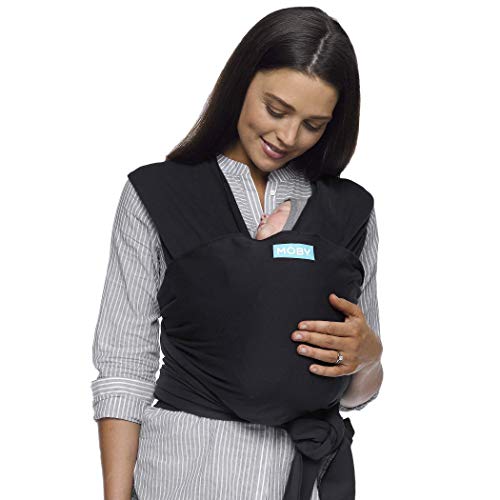
The Moby Wrap Baby Carrier Classic is a long cotton wrap that has been a familiar name in babywearing for many years. Its cotton fabric has less stretch than spandex-rich designs, so it offers a firmer feel once tied, which some caregivers prefer. The length allows sharing between caregivers of different sizes and supports front and hip styles in the maker guidance.
Cotton feels natural against newborn skin, and the wide fabric helps create a deep seat that supports the baby legs in a flexed, spread position when fitted correctly. The shoulder sections can be spread wide to reduce pressure points. Trade-offs include bulk and warmth. The long fabric takes up more room in a diaper bag, and several layers can feel warm in summer. Tying requires both hands and a few minutes of focus. For parents who prefer a firmer cotton feel for carrying at home in the early months, the Moby Classic is a clear example of the traditional wrap.
The KeaBabies Baby Wrap Carrier is a one-size wrap designed to be accessible for first-time babywearers, with a focus on even weight distribution and a secure, close fit for newborns through the maker stated weight range. The design is certified through the International Hip Dysplasia Institute process described by the maker, which addresses how the seat supports healthy hip positioning when the wrap is fitted correctly.
In daily use, the appeal is balance. It aims for enough stretch to make learning the tie manageable, while holding its shape well enough that caregivers do not feel they must constantly retighten. The one-size approach avoids buying separate sizes when caregivers share the wrap. As with other wraps, it suits front carrying in the early months best and is not designed for back carrying or outward-facing positions. That range is acceptable for close newborn carrying, but families should plan for a different carrier if they want toddler back carries later.
Ergobaby Omni 360 All-Position Baby Carrier, Midnight Blue
Ergobaby Omni 360 All-Position Baby Carrier, Midnight Blue
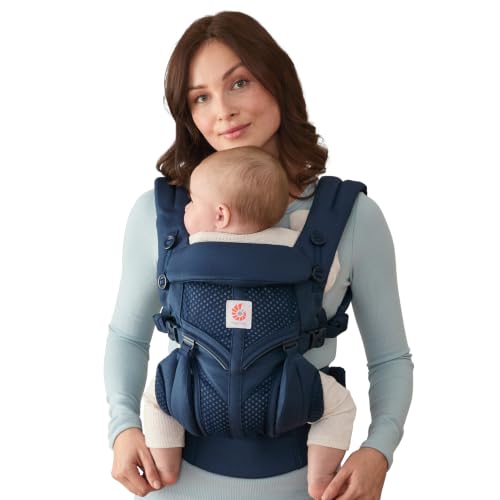
The Ergobaby Omni 360, now also sold under the Omni Classic name in some listings, is a structured carrier designed to grow from newborn through toddlerhood without a separate infant insert, within the maker weight guidance. It offers front inward, front outward, hip, and back positions, with an adjustable seat. Padded straps can be worn parallel or crossed, and a waist belt with lumbar support helps transfer load to the hips.
Buckles and adjusters give a repeatable fit once set, so putting the carrier on can become faster than tying a wrap, especially outdoors. The extendable panel and head support help with naps on the go, and the carrier can be shared by adjusting straps and belt. The trade-offs are bulk, warmth in some versions, and a less custom feel in the earliest weeks compared with a well-tied wrap. For families who want one buckle carrier for errands, walks, travel, and back carrying later, the Ergobaby Omni is a benchmark structured option.
LILLEbaby Complete All Seasons 6-in-1 Baby Carrier, Black
LILLEbaby Complete All Seasons 6-in-1 Baby Carrier, Black
The LILLEbaby Complete All Seasons is a structured carrier with six carry positions, including front, outward facing, hip, and back carries, within the maker weight guidance. Its zip-down front panel reveals a breathable mesh section, helping caregivers adjust airflow for warmer days without changing carriers. Lumbar support and padded straps aim to keep longer carries comfortable as the child grows.
The LILLEbaby Complete emphasizes temperature control and seat flexibility. The seat adjusts for narrower and wider settings, and two-way strap adjustment helps achieve a secure fit for different caregiver sizes. A sleeping hood and pockets add practical detail for outings. There are more buckles and settings to learn at the start, and newborn setup requires careful attention to seat width and panel height. For parents who expect warm-weather walking and value many positions in one carrier, it is a compelling structured alternative.
Wrap vs structured carrier: comfort and support
Wraps distribute weight across a wide area of fabric over both shoulders and the back, which can feel very even for a small baby and shorter carries. There are no buckles to press into the body, and the fit is recreated each time. As weight increases, stretchy fabric can feel less firm. Structured carriers use a padded waist belt to place much of the load on the hips, with shaped straps that support heavier babies and toddlers more consistently during long walks.
Wrap vs structured carrier: ease of use and sharing
Wraps have a learning curve. The first several ties can feel slow, and practicing without a baby helps build confidence. Once learned, the sequence becomes familiar, but it still takes longer than clipping buckles, and long fabric needs management in public spaces. Structured carriers require an initial setup of seat width, panel height, and strap length, after which daily use is quick and repeatable. Sharing is easy with wraps because the tie adapts each time, while structured carriers need strap readjustment between caregivers.
Wrap vs structured carrier: age range and positions
Most stretchy wraps are designed mainly for the newborn and early infant stage, with front inward carrying as the primary position. They are not generally designed for back carrying. Structured carriers cover a much wider span, from newborn settings through toddler back carries, with outward-facing and hip positions added when the baby meets the maker requirements. Families who want one carrier to last well beyond the first year will usually find the structured style more complete.
How to choose
Start with baby age and the main use case. For a newborn carried mostly at home, for contact naps and short tasks, a wrap offers a close, custom fit and even weight spread. Choose between the wraps by fabric feel: a stretchier blend for a snug pouch, firmer cotton for less give, or a balanced design for easier learning. Confirm the maker weight range and practice the tie first.
For longer walks, travel, heavier babies, and carrying into toddlerhood, choose a structured carrier. Look at seat adjustability, waist belt comfort, lumbar support, and whether ventilation matters in the local climate. Caregivers who will share the carrier should check how quickly straps adjust and whether panel height suits the shortest torso in the household. Many families choose both styles in sequence. Either way, follow the instructions for that exact model and keep the baby close enough to kiss, with chin off the chest and airway visible.
Who should skip
Some families should skip a wrap. Caregivers who need to put a carrier on quickly outdoors, who feel uncomfortable learning a long tying sequence, or who plan mainly long hikes and toddler carries will likely be frustrated by a wrap and should start with a structured design. Anyone with shoulder or back concerns should seek appropriate guidance and consider how each style loads the body before buying.
Other families should skip a structured carrier, at least at first. Parents who want the closest newborn fit, expect to carry mainly indoors in the first weeks, or prefer a carrier that folds small with no buckles may find a structured panel more than they need. Preterm babies and babies with medical needs require specific professional guidance. If a carrier cannot be fitted so the baby sits high, snug, and supported with a clear airway, it should not be used until the fit is corrected.
FAQ
Is a wrap or a structured carrier safer for a newborn?
Both styles can be used safely when the product is approved for the baby weight and the fit follows the maker instructions and standard safety checks. The baby should sit high and snug, with face visible, chin off the chest, and legs supported in a flexed spread position.
When should parents switch from a wrap to a structured carrier?
Many families switch when the baby feels heavy in a stretchy wrap, when carries get longer, or when they want back carrying and faster setup. There is no single week for every baby. Weight, caregiver comfort, and daily routine are better guides than age alone.
Can two caregivers share the same carrier?
Yes. A wrap is tied fresh for each caregiver, so sharing needs no preset adjustments. A structured carrier can also be shared, but straps, belt, and seat settings should be readjusted for each wearer and checked before every carry.
Which style is better for warm weather?
Structured carriers with mesh panels offer built-in airflow, while wraps add layers of fabric around the caregiver torso. In warm weather, dress the baby lightly, take breaks, and watch for overheating in either style.
Final verdict
There is no single winner for every family. A wrap is better for the newborn stage, close contact, and a custom fabric fit at home. A structured carrier is better for longevity, heavier children, quicker setup, and more positions, with the Ergobaby Omni and LILLEbaby Complete standing out for support and ventilation. Choose by stage and routine first, then by fit.
D
Disdik Picks Editorial Team
We compare specs, materials and verified owner reviews before a product earns a spot. Rankings are never paid.
Affiliate disclosure. As an Amazon Associate we earn from qualifying purchases at no extra cost to you. Prices accurate as of the date shown.
Find the best razors for women for legs, underarms and sensitive skin. Compare five cartridge, disposable and shave-kit options and choose a smooth shave.
We compared the best comforters for every sleeper, from light all-season inserts to plush king-size picks, so you can find the right warmth for your bed.
We compared the best calculators for students, professionals, and home offices, covering scientific, graphing, financial, printing, and desktop models.

 Boba Baby Wrap Carrier, Grey
 Moby Wrap Baby Carrier Classic
 KeaBabies Baby Wrap Carrier, Powder Blue
 Ergobaby Omni 360 All-Position Baby Carrier, Midnight Blue
 LILLEbaby Complete All Seasons 6-in-1 Baby Carrier, Black










Write Your Review
No reviews yet. Be the first to share your experience!