Disdik Picks is reader-supported. When you buy through links on our site, we may earn a commission at no extra cost to you. As an Amazon Associate, we earn from qualifying purchases. Learn more ›
Best Baby Carriers: 5 Picks from Newborn to Toddler
The best baby carriers spread weight across your hips and keep baby seated safely. Compare structured carriers, mesh picks, and a wrap for each stage.
A good baby carrier keeps your hands free while your baby rides close, and it should do both jobs without wrecking your shoulders or leaving the baby slumped. The differences between models come down to structure: padded buckle carriers that adjust for years, airy mesh versions for warm climates, and simple fabric wraps that shine in the newborn weeks.
The five carriers below are established models from established brands, screened against current United States recall records. Each one supports an ergonomic seated position with the baby’s knees higher than the bottom, and each fits a different stage, budget, and climate.
As an Amazon Associate, we earn from qualifying purchases.
Quick Answer
For one carrier from birth to toddlerhood, the Ergobaby Omni Breeze and the LILLEbaby Complete All Seasons are the most complete choices, with no infant insert needed. The BabyBjorn One Air suits parents who want simple adjustments and mesh. The Tula Free-to-Grow is the soft, less structured option, and the Moby Wrap is the cozy pick for the newborn months.
How to Choose
Start with the weight range and how long you plan to carry. Structured carriers rated from about seven pounds to forty-five pounds can serve from the newborn stage through toddlerhood. Wraps top out lower, around thirty-three pounds, and feel best in the first year. If you want one purchase to last, a structured carrier is the practical route.
Fit for the baby matters most. Look for a seat that supports the thighs and lets the knees sit higher than the baby’s bottom in an M shape, with the back supported in its natural curve. For newborns, the carrier should hold the baby high enough to kiss the top of the head, with the face visible and the chin off the chest at all times.
Then think about the wearer. A padded waist belt that transfers weight to your hips makes long carries realistic, and lumbar support helps if you have a sensitive back. Mesh panels and breathable fabrics matter in warm weather because two bodies pressed together generate real heat. Adjustable straps that cross in the back can fit smaller frames better than standard backpack-style straps.
Finally, check the carry positions you will actually use. Front facing-in is the newborn standard. Facing out should wait until the baby has strong head and neck control, usually around five to six months, and back carry comes later still. Register the product with the manufacturer after purchase so you receive any future safety notices directly.
The Ergobaby Omni Breeze is a structured carrier built around airflow. Its SoftFlex mesh panel runs across most of the body of the carrier, so air moves through instead of trapping heat against the baby. It works from seven to forty-five pounds with no separate infant insert, which keeps the newborn setup simple.
Four carry positions cover facing in, facing out, hip, and back carry, and the seat adjusts between a narrow newborn setting and a wider toddler setting with simple sliders. The padded lumbar support and cushioned, crossable shoulder straps make it one of the more comfortable carriers for longer walks and travel days.
The graphite grey version below is the standard colorway. If you carry daily, run warm, or live in a hot climate, this is the most complete single purchase on the list.
The BabyBjorn Baby Carrier One Air uses a breathable 3D mesh that dries quickly and feels light on the body. It is designed in close consultation with pediatric specialists, and the seat gives newborns the correct support with a built-in infant position that raises small babies to the right height.
Two height positions and adjustable head support let the carrier adapt as the baby grows, covering eight to thirty-three pounds and roughly the first three years, though most families move on sooner as toddlers get heavy. It offers four positions: newborn facing in, facing in, facing out from about five months, and back carry from about twelve months.
Everything adjusts from the front with buckles that are easy to reach, which makes it a favorite for parents who will put the carrier on and take it off many times a day. The black version below is the standard mesh model.
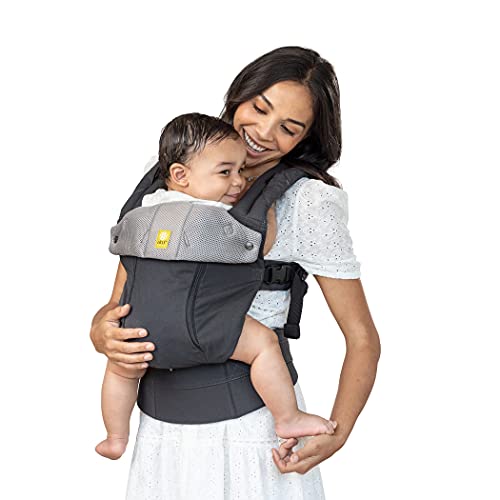
The LILLEbaby Complete All Seasons is the temperature problem-solver of the group. Its central panel zips down to reveal a breathable mesh layer for warm days, then zips back up to a cotton panel when the weather turns, so one carrier handles summer walks and winter errands.
It offers six carry positions, more than any other pick here, including a fetal position for newborns with the optional pillow and a forward-facing option as the baby grows. The seat adjusts between narrow and wide settings, and the carrier is rated from seven to forty-five pounds.
A signature lumbar support pad sets this model apart for parents with back concerns, distributing pressure across the lower back instead of letting the waist belt dig in. The charcoal and silver version below is a popular neutral colorway. Choose this one if your climate swings or your back needs the extra help.
The Baby Tula Free-to-Grow Coast takes a softer approach. Instead of heavy padding and hardware, it uses a wide, adjustable panel whose seat width and height change with snap settings, so the carrier body itself grows from seven to forty-five pounds without an insert.
The Coast version adds a breathable mesh panel in the center of the body, which trims heat on warm days while keeping the carrier’s softer, less technical feel. It supports front facing-in and back carry. There is no facing-out position, which keeps the design simpler and is fine for families who do not need that option.
Parents who find highly structured carriers bulky often prefer the Tula’s closer, more wrap-like fit, and the prints are a genuine draw. The overcast grey version below is the subdued option. Pick this if you want adjustability without a lot of straps and structure.
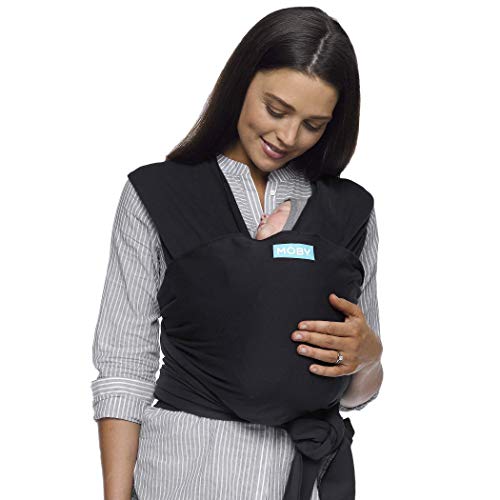
The Moby Wrap Classic is not a buckle carrier at all. It is a long length of soft, slightly stretchy cotton that you tie around your torso to form a snug pouch. For newborns, that close, womb-like hold is exactly the appeal, and the fabric spreads the baby’s weight across both shoulders and your whole back.
It is rated for eight to thirty-three pounds and works for front and hip carries. There is a learning curve: most parents need a few practice sessions, ideally with a doll or over a bed, before the tying sequence feels automatic. Once learned, the fit is perfectly custom because you create it fresh each time.
The wrap folds flat into a diaper bag, washes easily, and costs less than the structured carriers here. The black version below is the classic. Choose it for the newborn stage, for skin-to-skin time at home, and as an inexpensive second carrier even if you also own a buckle model.
Specs
Feature
Detail
Weight range
8 to 33 pounds
Carry positions
Front, hip
Fabric
Cotton with light stretch
Infant insert
Not applicable
Color shown
Black
Who Should Skip It
Skip the carrier purchase if you will mostly use a stroller on flat, paved routes and rarely need hands-free carrying; a carrier that lives in a closet helps no one. Also skip wraps if you know the tying process will frustrate you during a fussy evening, and skip any carrier, however well reviewed, that does not fit your body when adjusted properly.
Never buy a used carrier with unknown history, missing instructions, or damaged buckles, and avoid unbranded sling carriers sold without clear safety labeling. Babies under four months should not ride in loose sling-style carriers where the chin can press to the chest. When in doubt, a structured carrier from an established brand, registered with the manufacturer, is the safer default.
FAQ
When can my baby face out in a carrier?
Most manufacturers set the milestone around five to six months, once the baby has strong, steady head and neck control and fits the carrier’s minimum size for that position. Limit facing-out sessions at first, and turn the baby back inward if they get sleepy or overstimulated.
How long can a baby stay in a carrier at one time?
There is no single official limit, but regular breaks are wise. Take the baby out to stretch and reposition every hour or two, check that the airway stays clear and the legs move freely, and stop sooner in hot weather. Newborns need especially frequent checks.
What is the correct seated position in a carrier?
Look for the M shape: the baby’s bottom sits lowest, the knees rest higher than the bottom, and the thighs are supported by the seat. The back should keep its natural gentle curve, the face should stay visible, and the chin should never press against the chest.
Can two parents of different sizes share one carrier?
Yes, structured carriers adjust across a wide range of waist and torso sizes, and the picks here all re-adjust in a minute or two. Wraps fit every body by nature. Just re-check the baby’s position and seat width after each adjustment.
Final Verdict
Buy the Ergobaby Omni Breeze for the most complete all-weather package, the LILLEbaby Complete All Seasons if temperature swings or back support lead your list, and the BabyBjorn One Air for the simplest daily adjustments. The Tula Free-to-Grow Coast suits parents who want a softer structure, and the Moby Wrap Classic remains the newborn favorite. Whichever you choose, fit and airway position matter more than the brand on the label.
D
Disdik Picks Editorial Team
We compare specs, materials and verified owner reviews before a product earns a spot. Rankings are never paid.
Affiliate disclosure. As an Amazon Associate we earn from qualifying purchases at no extra cost to you. Prices accurate as of the date shown.
Find the best razors for women for legs, underarms and sensitive skin. Compare five cartridge, disposable and shave-kit options and choose a smooth shave.
We compared the best comforters for every sleeper, from light all-season inserts to plush king-size picks, so you can find the right warmth for your bed.
We compared the best calculators for students, professionals, and home offices, covering scientific, graphing, financial, printing, and desktop models.

 Ergobaby Omni Breeze
 BabyBjörn Baby Carrier One Air
 LÍLLÉbaby Complete All Seasons
 Baby Tula Free-to-Grow Coast
 Moby Wrap Classic










Write Your Review
No reviews yet. Be the first to share your experience!