
Our Short List of 3
All 5 Picks at a Glance
| Product | Specs | Action |
|---|---|---|
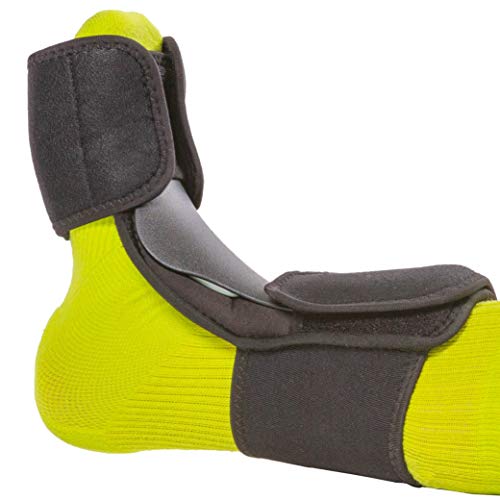 BraceAbility Dorsal Night Splint | Check price on Amazon | |
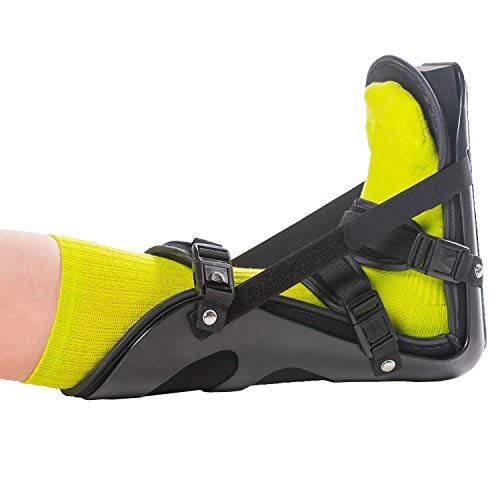 BraceAbility Sleeping Stretch Boot | Check price on Amazon | |
 BraceAbility Plantar Fasciitis Night Splint Sock | Check price on Amazon | |
 Strassburg Sock Regular | Check price on Amazon | |
 Cramer Dorsal Night Splint, Small | Check price on Amazon |
Key takeaways
- Compare dorsal, boot-style and stretch-sock night splints for plantar fasciitis, with sizing, fit and comfort guidance to ease painful first morning steps.
Morning heel pain follows a familiar pattern. The plantar fascia shortens overnight while the foot rests pointed, then the first steps pull on that tightened tissue. A night splint holds the foot closer to neutral, or gently pulls the toes upward, so the fascia and calf stay on a mild stretch while you sleep. This guide compares five approaches on Amazon.com: a padded dorsal splint, a full sleeping boot, a soft splint sock, the original calf-sized stretch sock, and a compact clamshell dorsal design.
As an Amazon Associate, we earn from qualifying purchases.
Quick Answer
For most people, start with a padded dorsal splint if you want a firm neutral hold without a bulky boot, or a stretch sock if comfort decides whether you will wear anything at all. Choose the full boot for the most structured support, and size carefully using shoe size for rigid designs and calf measurement for socks, because fit drives consistent nightly use.
How to Choose
Start with the design family, because it shapes comfort more than any strap. Dorsal splints sit on the front of the shin and top of the foot, leaving the heel open. They feel cooler and less bulky, and many side and stomach sleepers tolerate them better. Boot-style splints wrap the calf and heel in a structured shell. They hold the ankle more completely, but are larger, warmer, and more likely to catch on bedding. Stretch socks use fabric and a toe-to-calf strap instead of a shell. They allow more movement, pack easily, and apply a gentler pull that some find too mild when pain is severe.
Next, consider stretch intensity. A splint holding the foot near a right angle gives a clear, consistent position, while sock designs let you change tension by tightening the strap. More tension is not automatically better. A stretch causing numbness, tingling, or sharp pain will not stay on all night, and a moderate stretch worn for hours beats an aggressive one removed after an hour. Build up wear time gradually and follow the maker directions.
Sizing differs by type. Rigid and dorsal splints are usually sized by shoe size, so check whether you sit near a range boundary and consider width as well as length. Stretch socks are often sized by calf circumference at the widest point, because the sock must stay up without digging in. Measure in the evening if your calves swell, and re-check the chart on the exact listing, since a medium from one brand does not match another.
Then consider sleeping position. Back sleepers often adapt to boots most easily. Side sleepers may prefer a low-profile dorsal shell or a sock with no hard edge. Warm sleepers should favor open-heel designs. If you get up at night, check whether the maker says to remove the splint before walking; many are for resting only, and walking in them can damage the device or cause a fall.
Finally, confirm which foot it fits, how straps fasten, and what materials touch the skin. If you have diabetes, circulation problems, recent surgery, or worsening pain, talk with a clinician first. None of the picks below was found in a CPSC or FDA recall notice for the specific model during this check, but still match the model on arrival against the listing.
BraceAbility Dorsal Night Splint
This dorsal model is a sensible first rigid option for people who want a defined neutral position without enclosing the whole foot in a boot. The shell sits along the front of the leg, the heel stays open, and padded lining softens contact points. Three adjustable straps let you secure calf and foot separately, which helps when one area needs a firmer hold and the other needs more room. The large and extra-large version suits larger shoe ranges, so smaller feet should select the corresponding size option rather than tightening this one down.
In bed, the open heel reduces heat and leaves the back of the foot free, which matters if you shift position often. The trade-off is pressure across the top of the foot if the forefoot strap is over-tightened, so even tension matters more than maximum tension. Wear a thin sock underneath if edges feel firm at first. This design is for sleeping and resting, not walking, so remove it for bathroom trips.
Choose it for structured support, breathability, and fit on either foot, especially as a back or side sleeper who finds a soft sock too unstructured. Check the model number on arrival, and reassess if numbness or irritation persists after loosening the straps.
BraceAbility Sleeping Stretch Boot
The Sleeping Stretch Boot is the most structured pick here. This posterior boot supports foot, ankle, and calf together, holding the foot in dorsiflexion while the shell limits unwanted movement. For intense pain on the first steps and the least ambiguous hold, that full coverage is the appeal. The medium shown is one option within a wider range, so confirm shoe size against the chart for this exact boot.
A boot gives consistency night to night. Once straps are set, the foot returns to a similar position and the shell does much of the work. The cost is bulk: it takes more room in bed, can feel warm, and is most likely to bother a partner. Start with a limited period, check for pressure at heel and toes, and add a sock layer only as the maker allows.
Pick the boot if you sleep mostly on your back, prefer maximum structure, and have not found sock tension sufficient. Do not judge it on the first short session; comfort improves once strap order becomes routine. Treat it as a resting device unless the listing describes limited ambulation.
BraceAbility Plantar Fasciitis Night Splint Sock
This soft splint sock is a middle path between a rigid shell and a plain stretch sock. Its sock-like body has an adjustable strap that pulls back on the toes, creating dorsiflexion without a hard frame around the heel. The medium listed here uses neoprene, polyester, and nylon, and the brand directs buyers to its sizing chart for fit on either foot.
Comfort is the reason to choose it. The low-profile body moves naturally with the leg, feels less clinical in bed, and packs more easily than a boot. A wider toe area and longer ankle strap aim to reduce bunching and slipping. The stretch is gentler than a boot and depends on strap placement, so align the toe strap each night before tightening the ankle section.
It suits side sleepers, travelers, and anyone who tried a rigid splint and stopped wearing it. It also works as an entry point if you are unsure whether nighttime stretching helps, because adjustment is less intimidating. Hand wash and air dry as directed, and replace it if the strap no longer holds tension.
Strassburg Sock Regular
The Strassburg Sock is the original sock-style approach, distinct because sizing is based on calf circumference rather than shoe size. The regular size fits a calf up to the limit stated in the product name, with a larger option for bigger calves. The design is simple: a tubular knit sock worn over the calf, with adjustable straps holding the foot in a neutral to slightly stretched position.
That simplicity brings strengths and limits. There is no shell to press into the mattress, no heel cup to trap heat, and little bulk for travel. At the same time, the pull comes through fabric, so the sensation is a sustained gentle stretch rather than a locked angle. Correct calf sizing is critical: too small and the top band feels tight; too large and the sock slides, reducing tension.
Choose it for minimal equipment, varied sleeping positions, or a design with a long history in plantar fasciitis care. Measure your calf at its fullest point and follow the brand method exactly, rather than guessing from sock size. Check the toe area for rubbing during the first few nights.
Cramer Dorsal Night Splint, Small
The Cramer uses a compact anterior clamshell on the front of the lower leg and foot. In the small size here, it holds the foot in a neutral position while keeping the footprint low, helping people who find posterior boots cumbersome. The listing describes a lightweight, breathable build, adjustable straps, a slip-resistant fit, and use on either foot. Its model number, 13620, helps confirm you received the intended device.
Because the shell is small, placement matters. Center it carefully, secure straps evenly, and check that the arch feels supported without a hard edge digging into the midfoot. The dorsal approach leaves the heel free, but a compact splint may hold less forcefully than a full boot. The small size is for smaller shoe ranges, so larger feet should not force this version.
Pick the Cramer if low profile is your priority. It travels well, stores in a nightstand drawer, and is simple to put on once strap order is familiar. Note the listing guidance about its skid pad, and do not treat it as footwear or wear it inside a shoe.
Who Should Skip It
Skip a night splint, or get clinical advice first, if heel pain is accompanied by swelling, bruising, numbness, fever, or an inability to bear weight. Those signs can point to a fracture, infection, or another condition stretching will not address. People with poor circulation, diabetes-related foot concerns, open skin, or recent foot or ankle surgery should also ask a clinician before applying sustained pressure overnight.
Also skip the strongest rigid option if you remove anything uncomfortable in your sleep and have not tried a softer design first. Skip sizing guesswork too: if you fall outside the stated range for a model, choose a different model rather than forcing a fit. A night splint is only one part of care, and persistent pain despite consistent use calls for professional assessment rather than a tighter strap.
FAQ
How long should a night splint be worn each night?
Build up gradually, starting with a short period and extending wear as comfort allows, toward several hours or overnight. Consistent moderate wear beats forcing a full night immediately and then quitting. Follow the directions for your specific model.
Is a dorsal splint or a boot better for plantar fasciitis?
Neither is better for everyone. A boot gives the most structured hold, while a dorsal splint is cooler, lower profile, and often easier for side sleepers. The best choice is the design you can wear comfortably on most nights without numbness or skin problems.
How is a stretch sock different from a rigid splint?
A stretch sock uses fabric and a toe-to-calf strap to pull the foot upward gently, allowing more movement and less bulk. A rigid splint uses a shell to hold a set position. Socks favor comfort and travel, while rigid designs favor a firmer, more repeatable angle.
Can a night splint be walked in during the night?
Assume no unless the maker explicitly allows limited steps for that model. Many splints are for sleeping and resting only, and some include only a small skid pad rather than a walking sole. Remove the splint for bathroom trips unless its instructions clearly state otherwise.
Final Verdict
Match the device to the sleeper, not just the diagnosis. The BraceAbility Dorsal is the balanced rigid starting point, the Sleeping Stretch Boot is the maximum-structure choice, and the BraceAbility Splint Sock softens the experience while keeping an adjustable toe pull. The Strassburg Sock is the purest low-bulk stretch sock, sized by calf, and the Cramer is the compact clamshell for smaller feet. Measure carefully, increase wear time slowly, and prioritize the splint you will still wear after the first week, because consistency gives the overnight stretch a fair chance to ease those first morning steps.
Product and ASIN Reference
| Product | ASIN |
|---|---|
| BraceAbility Dorsal Night Splint | B00BWQ485O |
| BraceAbility Sleeping Stretch Boot | B01GSEP876 |
| BraceAbility Plantar Fasciitis Night Splint Sock | B01G5S4XIK |
| Strassburg Sock Regular | B00JB2UDTQ |
| Cramer Dorsal Night Splint, Small | B00591X1ZQ |
More from Amazon
Programs that pair well with the guide above. Offers and eligibility are set by Amazon and may change.
Set up recurring deliveries of everyday items on eligible products. Terms and savings are set by Amazon.
Explore Subscribe & SaveCollect the home and kitchen items you want in one registry that guests can shop from.
Create a wedding registryFree shipping on eligible items, Prime Video and more. Eligible new members can start with a free trial.
Start a Prime free trialAudiobooks and podcasts to listen to on the go. Eligible new members can start with a free trial.
Try Audible freeAs an Amazon Associate we earn from qualifying purchases.










Write Your Review
No reviews yet. Be the first to share your experience!