
Our Short List of 3

All 5 Picks at a Glance
| Product | Specs | Action |
|---|---|---|
| MARCATO Atlas 150 Classic Manual Pasta Maker Machine, Chrome Steel | Check price on Amazon | |
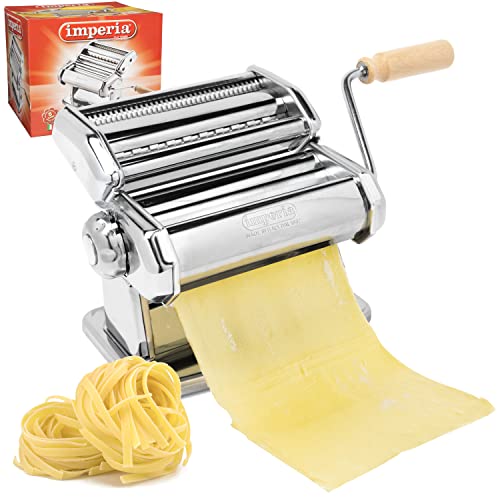 Imperia iPasta Classic Line Pasta Machine, Steel | Check price on Amazon | |
 Philips 7000 Series Pasta Maker, HR2660/03, White | Check price on Amazon | |
 Hamilton Beach Electric Pasta Maker, 86650, White | Check price on Amazon | |
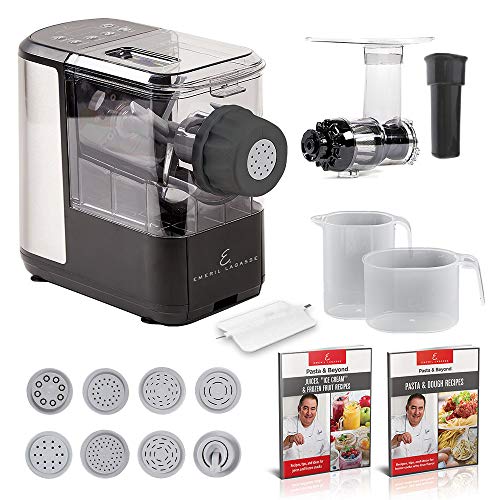 EMERIL LAGASSE Pasta & Beyond Automatic Pasta Maker, Black | Check price on Amazon |
Key takeaways
- Compare the best pasta makers for home kitchens, from Italian manual crank rollers to automatic electric extruders that mix, knead, and shape fresh pasta.
Fresh pasta at home comes down to one choice first: do you want to roll sheets by hand or let a motor mix and push dough through a disc? Manual crank machines give thin, silky sheets for lasagna, fettuccine, and filled pasta, while electric extruders trade sheet control for speed and shaped noodles. This guide compares five standalone machines across both styles, using listing details on roller width, thickness settings, discs, capacity, and cleanup, so you can match a machine to the pasta you actually cook most often.
Quick Answer
As an Amazon Associate, we earn from qualifying purchases.
For rolled sheets and cut noodles, choose the Marcato Atlas 150 Classic for its proven chrome steel build. For fully automatic shaped pasta, choose the Philips 7000 Series. The Imperia, Hamilton Beach, and Emeril Lagasse picks cover classic Italian cranking, smaller automatic batches, and disc variety.
How to Choose
Start with pasta style. Roller machines flatten dough into sheets, then cut those sheets into fettuccine or tagliolini, or leave them for lasagna and hand-filled shapes. They suit cooks who enjoy the process and want very thin, even sheets. Extruders mix flour and liquid inside the machine, knead the crumbly dough, and force it through a shaping disc to make spaghetti, penne, and other tubes or strands. They suit cooks who want shaped pasta with less manual rolling.
Next, check thickness range and roller width. A wider roller, around 150 millimeters, handles larger sheets for lasagna and makes feeding dough easier with one hand cranking and one hand guiding. More thickness settings give finer control as you pass dough down gradually, which helps prevent tearing. On extruders, count the discs instead: each disc is a different shape, and storage for those discs matters in a small kitchen.
Capacity matters too. A manual roller processes dough you mix separately, so batch size is limited by your bowl and counter. Extruders state a batch size in portions, and a larger chamber means fewer reloads for family dinners.
Cleanup decides whether a machine gets used weekly. Manual rollers should never be soaked; they clean with a brush and dry cloth. Extruders have more parts, so dishwasher-safe parts and a disc cleaning tool save real time. Finally, check footprint: steel rollers stay steady when clamped, while tall extruders need cabinet height and an outlet.
MARCATO Atlas 150 Classic Manual Pasta Maker Machine, Chrome Steel
The Marcato Atlas 150 Classic is the reference manual roller for home kitchens. Its listing describes a chrome steel machine made in Italy with a black hand crank, producing lasagna sheets, fettuccine, and tagliolini from the included cutting head. The 150 in the name reflects the roller width class, which is wide enough for generous lasagna sheets while still storing in a cabinet.
Thickness control is the reason to choose a roller like this. You start dough on a wide setting and step down gradually, building a smooth sheet without tearing. That sheet-first workflow is what filled pasta and layered dishes need, and no extruder here replicates it. With no motor, there is no cord or electronic part to manage.
The trade-offs are effort and scope. You mix and knead dough separately, rest it, then roll and cut it yourself. The cutters cover flat noodles well, but shaped tubes such as penne are outside what a roller does. For cooks centered on sheets and lasagna, the simple mechanical design is the appeal.
Imperia iPasta Classic Line Pasta Machine, Steel
The Imperia iPasta Classic Line is another Italian manual machine, built in steel as a roller with a crank for dough sheets for lasagne, tagliolini, and fettuccine, per its listing title. It follows the same proven layout as the Marcato: clamp the body to the counter, feed rested dough through the smooth rollers, then pass the sheet through the cutter side for flat noodles.
Where the Imperia earns its place is straightforward, traditional operation. Its thickness dial keeps adjustments simple while you work down through settings, and the steel body gives the weight a crank machine needs to feel planted. It fits cooks who want an Italian roller without a motorized format.
Like all manual rollers, it asks for dough made in advance and practice guiding sheets so they do not fold. It focuses on flat pasta, so households wanting penne should look at the extruders below. Kept dry and brushed clean, it is a long-service tool rather than a seasonal gadget.
Philips 7000 Series Pasta Maker, HR2660/03, White
The Philips 7000 Series Pasta Maker is the fully automatic option for larger batches. Its Amazon listing gives model HR2660/03, ProExtrude technology, a 150W motor class in the title, eight discs, and capacity for up to eight portions, with Perfect Mixing Technology and HomeID app guidance. You add flour and liquid, and the machine mixes, kneads, and extrudes through the selected disc, with no separate rolling or cranking.
Eight shaping options cover a wider menu than the smaller extruders here, and the larger capacity suits family meals in one run. The listing notes dishwasher-safe care, a cleaning tool and measuring cup included, and dimensions of 12.87 by 9.02 by 12.68 inches at 20 pounds, so plan a permanent counter spot.
Note on the listing itself: the fuller product page shows a buy box with Amazon.com as seller, while a summary line elsewhere on the page reads no featured offers available — check the live page at purchase time. Extruded pasta also has a different bite from rolled sheets, denser and firmer, which many cooks prefer for shaped pasta and others miss for delicate noodles. Choose this Philips if shaped pasta, batch size, and automation matter most.
Hamilton Beach Electric Pasta Maker, 86650, White
The Hamilton Beach Electric Pasta Maker, model 86650, is the compact automatic extruder in this group. Its listing states seven molds for spaghetti, fettuccine, and more, a capacity suited to two to three servings, and fresh pasta in about fifteen minutes. For smaller households, that batch size is a feature rather than a limit: less dough mixed, less leftover pasta, and a faster cycle for weeknight meals.
The workflow mirrors the larger extruders — add ingredients, let the machine mix and knead, then extrude through a mold — in a unit sized for modest kitchens. It covers everyday strands and flat shapes for stir-fries, soups, and simple sauces without the footprint of the Philips.
The compromise is scale: cooking for a crowd means consecutive batches, and seven molds give fewer shapes than eight-disc machines. Dough hydration also matters: too wet and strands stick, too dry and dough stays crumbly, so follow the manual measuring guidance at first. For one to three people, the size fits well.
EMERIL LAGASSE Pasta & Beyond Automatic Pasta Maker, Black
The Emeril Lagasse Pasta & Beyond is an automatic pasta maker with eight pasta shaping discs in a black countertop unit, model PM-01 per its listing. Like the other extruders, it mixes, kneads, and extrudes after you add ingredients and press a button, removing the rolling and cranking steps entirely. The listing also notes a juicer attachment and recipe book among the included components, which broadens it beyond pasta for kitchens that value multi-use appliances.
Its dimensions are listed as 13.9 by 6.2 by 10.9 inches, narrower than the Philips, and the listing notes dishwasher-safe parts and storage for the discs. Eight discs put it level with the Philips on shape count, plus the option of alternative flours and vegetable juices described in the product description.
If you only want pasta, the extra juicer function adds parts to store, while cooks who use it get more value from one appliance. The fuller page shows purchase options from a marketplace seller rather than Amazon.com itself, so confirm seller and returns terms live before ordering.
Who Should Skip It
Skip pasta makers if you make fresh pasta only once or twice a year; dried pasta and store-bought fresh sheets cost less and need no cleanup. Skip manual rollers if you dislike kneading or cranking, because the machine does not remove that work. Skip extruders for delicate filled pasta or paper-thin sheets, since extrusion cannot roll sheets. Also skip larger automatic models if counter space is tight, and skip any machine if you will not measure flour and liquid carefully, because every style here rewards consistent dough.
FAQ
Is a manual or electric pasta maker better for beginners?
Neither is universally easier. Manual rollers are simpler machines with fewer parts, but they require dough mixed in advance and some rolling technique. Electric extruders automate mixing and shaping, yet demand precise flour and liquid ratios. Beginners who enjoy learning a process often do well with a roller, while beginners who want shaped pasta quickly often prefer an extruder.
Can an extruder make lasagna sheets and filled pasta?
Most extruders focus on strands and shaped pasta through discs, and some include a flat disc for sheets, but the sheets are thicker than rolled sheets. For ravioli, tortellini, and thin lasagna, a roller machine gives the wide, even, thin sheets that fill, seal, and layer properly. Many serious home cooks eventually prefer a roller for filled pasta even if they own an extruder.
How should a manual pasta roller be cleaned?
Never soak a manual roller or run it under water, because moisture can damage rollers and internal parts. Let any dough bits dry, brush them away with the brush or a dry cloth, and wipe the body clean. A small piece of scrap dough passed through the rollers can lift flour residue. Store the machine dry, with the crank and clamp kept together.
Why does extruded pasta come out dry or crumbly?
Extruder dough should look crumbly before it compresses; the machine kneads and forces those crumbs together under pressure. If pasta stays dry and broken, the usual cause is too little liquid for the flour used, which varies by flour type and humidity. Add liquid in very small amounts following the manual for your model, and let the full mixing cycle finish before judging the dough.
Final Verdict
Match the machine to the pasta you cook most. For sheets, fettuccine, and lasagna, 2 of 5 picks here — the Marcato Atlas 150 Classic and the Imperia iPasta Classic — deliver the control that defines rolled pasta, with the Marcato as the default choice. For automatic shaped pasta, 3 of 5 picks extrude for you: the Philips 7000 Series for the largest batches, the Hamilton Beach 86650 for smaller households, and the Emeril Lagasse Pasta & Beyond for eight discs in a narrower footprint. Any of the five beats a drawer of single-use gadgets when it matches your menu, space, and patience for dough.
Product and ASIN Reference
| Product | ASIN |
|---|---|
| MARCATO Atlas 150 Classic Manual Pasta Maker Machine, Chrome Steel | B0009U5OSO |
| Imperia iPasta Classic Line Pasta Machine, Steel | B0001IXA0I |
| Philips 7000 Series Pasta Maker, HR2660/03, White | B0CB9DJL71 |
| Hamilton Beach Electric Pasta Maker, 86650, White | B07HJTYLGX |
| EMERIL LAGASSE Pasta & Beyond Automatic Pasta Maker, Black | B08PCLF49Q |
More from Amazon
Programs that pair well with the guide above. Offers and eligibility are set by Amazon and may change.
Set up recurring deliveries of everyday items on eligible products. Terms and savings are set by Amazon.
Explore Subscribe & SaveCollect the home and kitchen items you want in one registry that guests can shop from.
Create a wedding registryFree shipping on eligible items, Prime Video and more. Eligible new members can start with a free trial.
Start a Prime free trialAudiobooks and podcasts to listen to on the go. Eligible new members can start with a free trial.
Try Audible freeAs an Amazon Associate we earn from qualifying purchases.










Write Your Review
No reviews yet. Be the first to share your experience!