Disdik Picks is reader-supported. When you buy through links on our site, we may earn a commission at no extra cost to you. As an Amazon Associate, we earn from qualifying purchases. Learn more ›
Best Gua Sha Tools: 5 Stones and Steel Picks Compared
Gua sha tools differ by material, edge shape, and grip. Compare jade, rose quartz, and stainless steel tools for a calmer, more comfortable routine.
Gua sha tools look simple: a smooth stone or steel plate with a few curved edges. Yet the details decide whether a tool glides comfortably or drags, whether it survives a drop onto the bathroom tile, and whether you actually keep using it after the first week. Material, edge shape, thickness, and finish all vary more than the product photos suggest.
The five tools below cover the main options: classic jade, rose quartz in two shapes, a beginner-friendly quartz stone with multiple edges, and a stainless steel tool that never breaks. A note on expectations before we start: these are facial massage tools for a relaxing skincare routine. Treat dramatic sculpting or medical claims with skepticism, and judge a tool by comfort, glide, and build quality instead.
As an Amazon Associate, we earn from qualifying purchases.
Quick Answer
The Mount Lai Jade Gua Sha is the classic pick, with well-finished edges and a shape that suits most faces. Choose the BAIMEI IcyMe in stainless steel if you drop things or want a tool that stays cool. The Rena Chris and Plantifique rose quartz tools suit beginners on a budget, and the Kora Organics heart sculptor is the compact premium option.
How to Choose
Material is the first fork in the road. Jade is the traditional choice, moderately cool to the touch and durable for a stone, though it can still chip or crack if dropped on tile. Rose quartz is harder and slightly denser, with a smooth glide many people prefer, and it holds a chill a little longer after time in the fridge. Stainless steel is the practical outlier: unbreakable, non-porous, easy to sanitize, and naturally cool, though some users find it less pleasant against the skin than stone.
Shape comes next. A classic wing or heart-with-a-notch shape offers several edges in one tool: a long smooth side for cheeks and forehead, a notched side that straddles the jawline, a pointed tip for around the eyes and nose, and a comb edge on some models for the brow and hairline. More edges mean more versatility, but very small tools can be hard to grip with oily hands.
Finish quality matters more than brand marketing. Edges should be polished perfectly smooth with no chips, seams, or rough spots, because the tool slides over delicate skin under pressure. With natural stone, slight color variation is normal and expected. Check that the tool is thick enough to resist flexing and snapping, usually several millimeters at the center.
Finally, think about care. Stone tools should be washed with gentle soap after each use and stored in a pouch so they do not knock against hard objects. Steel can go through more aggressive cleaning. Whichever you buy, pair it with a facial oil or serum; gua sha on dry skin drags and irritates rather than glides.
Mount Lai helped popularize gua sha in Western skincare routines, and its jade tool remains the reference design. The shape combines a smooth long edge, a curved side for the cheeks, and a notched end shaped for the jaw, so one tool covers the whole face without awkward repositioning.
The stone is genuine jade with a consistently polished finish, and the edges arrive smooth and even, which is exactly what you are paying for at this level. The tool has enough thickness to feel secure in the hand and to survive normal use, though like all stone it deserves a pouch and a soft landing.
Mount Lai’s version suits people who want the traditional material and a proven shape, and who plan to make the routine a habit. If you are buying one stone tool and stopping there, this is the safest single choice on the list.
The Rena Chris Gua Sha Facial Tool is a rose quartz stone cut into a multi-edge profile, with a wavy side, a smooth side, and a pointed end that gives beginners several techniques to try in one inexpensive tool. The quartz is cool on contact and glides well over oiled skin.
This is one of the most widely bought gua sha stones on Amazon, and its appeal is straightforward: real stone, sensible shape, low commitment. The finish is generally good for the price tier, though with any budget stone it is worth running a fingertip along every edge when it arrives and using the brand’s support if you find a rough spot.
The pink version is linked below. Choose this tool if you are curious about gua sha, want to learn the basic strokes, and would rather spend on a good facial oil than on the stone itself.
The BAIMEI IcyMe Stainless Steel Gua Sha removes the biggest weakness of stone: fragility. Drop it on tile, toss it in a gym bag, travel with it loose in a toiletry kit; the steel does not care. It is also non-porous, so it cleans completely with soap or a sanitizing wipe, a genuine hygiene advantage.
Steel feels cool the moment it touches skin and stays cool through a session without refrigeration, which many people enjoy during a morning routine. The heart-style shape covers the standard strokes, and the surface is polished smooth so it glides over oil like the stone tools here.
The trade-off is feel. Steel is heavier and harder-edged in the hand, and purists simply prefer the ritual of natural stone. The version below is the standalone steel tool. If durability, hygiene, or a permanently cool touch tops your list, this is your pick.
The Kora Organics Rose Quartz Heart Facial Sculptor is the design-led option. Its heart shape is compact and rounded, with a smooth lobe for broad strokes across the cheeks and forehead and a defined point for smaller areas around the nose, brows, and under the eyes.
The rose quartz is nicely finished, and the smaller footprint makes the tool easy to control for people who find standard gua sha stones slippery or oversized. It also travels well and looks at home on a vanity, which is not a trivial point for a tool that depends on regular use.
You give up the notched jaw edge that larger tools offer, so dedicated jawline work is less precise. The sculptor below suits detail work, smaller faces, and anyone who values a beautiful object they will reach for daily over maximum edge variety.
The Plantifique Rose Quartz Gua Sha Tool is a classic-shaped stone from a brand that built its name on plant-based skincare tools. The profile follows the traditional wing shape, with a long sweeping edge for the neck and cheeks and a notched end for the jawline.
Plantifique positions the stone as genuine rose quartz, handcrafted rather than molded, and the tool generally arrives with a clean polish and no sharp seams. It sits in the same accessible tier as the Rena Chris, and the choice between them comes down to which edge profile you prefer: Plantifique’s traditional wing versus Rena Chris’s wavier multi-edge cut.
The version below is the standalone quartz tool. Pick it if you want the conventional shape, a natural stone, and a brand with an established track record in this category.
Specs
Feature
Detail
Material
Rose quartz
Edges
Long edge and jaw notch
Finish
Polished
Care
Wash gently, store in a pouch
Best for
Traditional shape on a budget
Who Should Skip It
Skip gua sha if your skin is currently broken, sunburned, infected, or flaring with a condition your dermatologist is treating; pressing and gliding a tool over compromised skin makes things worse. Skip it too if you have had recent facial procedures or injections and have not been cleared to massage the area.
Also skip the purchase if you expect structural changes to your face. A gua sha tool can be a pleasant, relaxing part of a routine and can temporarily reduce the look of morning puffiness, but it will not reshape bone or permanently change your jawline. If that honest framing still sounds appealing, the tools above will serve you well. If not, a good facial oil alone is the better buy.
FAQ
How often should I use a gua sha tool?
Most people settle into a few sessions a week, or a short daily routine once the technique feels natural. Consistency matters more than marathon sessions. A few minutes of gentle strokes is plenty, and skin that looks red or feels sore is a sign to ease off.
Do I need oil or serum with gua sha?
Yes. The tool must glide, never drag. Apply a facial oil, balm, or generous layer of serum first, and reapply if the skin starts to feel tacky mid-routine. Working on dry skin pulls at the surface and causes irritation.
Which is better, stone or stainless steel?
Neither is objectively better. Stone feels traditional, stays pleasantly cool, and can break if dropped. Steel is unbreakable, more hygienic, and cool on contact, but feels harder in the hand. Choose based on your habits: careful and ritual-minded, pick stone; clumsy or travel-heavy, pick steel.
How much pressure should I use?
Far less than most beginners expect. Let the weight of the tool and a light hand do the work, holding it nearly flat against the skin at a shallow angle rather than digging in with the edge. Bruising is a sign of too much pressure on the face; facial gua sha should never leave marks.
Final Verdict
The Mount Lai jade tool is the classic done well and the easiest recommendation for most people. The BAIMEI IcyMe steel tool wins on durability and hygiene, the Rena Chris and Plantifique quartz stones make starting inexpensive, and the Kora Organics sculptor is the compact, design-minded choice. Buy the one that matches your habits, use it gently over oil, and keep your expectations cosmetic rather than medical.
D
Disdik Picks Editorial Team
We compare specs, materials and verified owner reviews before a product earns a spot. Rankings are never paid.
Affiliate disclosure. As an Amazon Associate we earn from qualifying purchases at no extra cost to you. Prices accurate as of the date shown.
Find the best razors for women for legs, underarms and sensitive skin. Compare five cartridge, disposable and shave-kit options and choose a smooth shave.
We compared the best comforters for every sleeper, from light all-season inserts to plush king-size picks, so you can find the right warmth for your bed.
We compared the best calculators for students, professionals, and home offices, covering scientific, graphing, financial, printing, and desktop models.

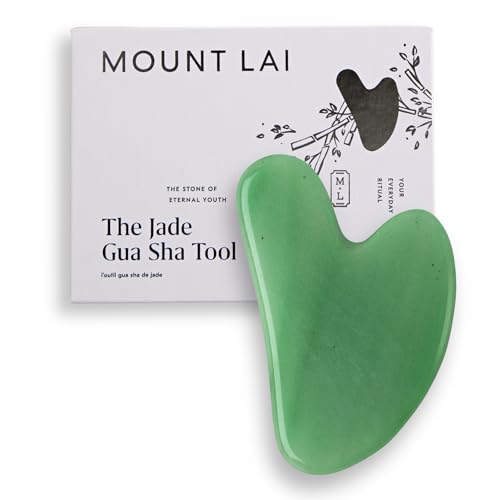 Mount Lai Jade Gua Sha Facial Tool
 Rena Chris Gua Sha Facial Tool
 BAIMEI IcyMe Stainless Steel Gua Sha
 Kora Organics Rose Quartz Heart Facial Sculptor
 PLANTIFIQUE Rose Quartz Gua Sha Tool










Write Your Review
No reviews yet. Be the first to share your experience!