Disdik Picks is reader-supported. When you buy through links on our site, we may earn a commission at no extra cost to you. As an Amazon Associate, we earn from qualifying purchases. Learn more ›
How to Choose a Gua Sha Tool for Your Skincare Routine
Learn how to choose a gua sha tool by material, shape and edge, with five jade, rose quartz and steel options for a simple daily skincare routine.
Nov 19, 2026
Updated Nov 20, 2026
10 min read
4 views
A gua sha tool is a small, smooth edged massage tool used with a facial oil or serum to glide across the skin in slow, upward strokes. The practice comes from traditional body massage, and the facial version uses much lighter pressure to support a calm, structured skincare routine. Choosing a tool is less about chasing a miracle result and more about material, shape, edge finish, and how likely a person is to use it regularly. This guide compares five real tools in jade, rose quartz, and stainless steel, then explains how to match each type to skin preferences, routine habits, and care needs.
As an Amazon Associate, we earn from qualifying purchases.
Quick answer
Choose jade for a classic, naturally cool stone tool, rose quartz for a smooth stone option often preferred for evening routines, and stainless steel for durability, easy cleaning, and a tool that will not chip if dropped. Pick a heart or wing shape with multiple edges, use light pressure over oil, and clean the tool after each use.
What a gua sha tool can and cannot do
Facial gua sha is a massage technique. A well finished tool glides over lubricated skin, helps spread product evenly, and gives the hands a repeatable routine for the jawline, cheeks, brow area, and neck. Many people enjoy the cooling feel of stone or steel and the way a short massage marks a clear pause in a busy day. Those routine benefits are the most reliable reason to buy one.
A gua sha tool does not permanently change face shape, remove wrinkles, or replace medical care for pain, swelling, or skin conditions. Temporary appearance changes after massage, such as skin looking refreshed after product application, should not be confused with lasting structural change. Anyone with broken skin, active irritation, recent cosmetic procedures, or a medical concern should pause and seek professional advice before using any facial massage tool.
The Rena Chris Jade Gua Sha Facial Tool is a single stone tool in natural jade, shaped with several edges for different areas of the face. One longer edge suits cheeks and forehead strokes, a notched edge is designed to fit around the jawline and chin, and smaller curves work near the brow and nose area. That multi edge layout makes a single tool flexible for a full routine without needing a large set.
Jade feels cool on contact and gradually warms during use. Stone tools require gentle handling, since a drop onto a hard bathroom floor can chip or crack the edge, and a damaged edge should not be used on skin. This Rena Chris jade option suits someone who wants the traditional stone experience, prefers a single dedicated gua sha shape rather than a roller set, and is comfortable storing the tool in a pouch or lined drawer.
The Rena Chris Rose Quartz Gua Sha Facial Tool uses rose quartz in a similar multi edge facial shape, offered in pink. Rose quartz is a hard, smooth stone that holds a cool feel at the start of a routine and provides a polished glide over oil or serum. The shape supports jawline, cheek, and forehead strokes, with curved sections for smaller areas.
The practical difference from the jade version is mainly material preference, color, and subtle feel rather than technique. The same strokes, pressure, and cleaning routine apply. Rose quartz is also a stone, so keep it padded in storage, avoid dropping it, and inspect edges before use, since even a small chip can feel rough against facial skin.
The Kitsch Stainless Steel Gua Sha Tool takes a different approach to material. Stainless steel is non porous, durable, and easy to clean thoroughly, which appeals to people who share a bathroom, travel often, or worry about dropping a stone tool. Steel also feels distinctly cool and can be rinsed under cool water before a morning routine for an extra refreshing start.
The Kitsch shape provides flat and curved edges for the jaw, cheeks, brow, and neck. Steel has a slightly different glide from stone, with a firm, smooth feel that many people find precise along the jawline. Because the tool will not chip in normal use, it suits beginners who want one long lasting tool and anyone building a travel kit where a fragile stone could be damaged in transit.
Care is straightforward. Wash with soap and water or wipe clean according to personal hygiene preference, then dry fully. Steel can feel cold in winter and warm if left in a hot room, so a quick rinse helps bring it to a comfortable temperature before contact with skin.
The BAIMEI IcyMe set pairs a dual ended jade roller with a separate gua sha stone, both in green Xiuyan jade. The roller has a larger end for cheeks and forehead and a smaller end for under eye and nose areas, while the gua sha piece provides the edged strokes that a roller cannot replicate. For someone unsure whether rolling or scraping motions fit a routine better, a set allows both techniques to be tried with one purchase.
Rollers are intuitive for quick morning use over serum, while the gua sha piece suits slower evening sessions focused on the jaw and neck. Dry each tool after washing, check roller fittings for looseness, and store the pieces where they will not knock against hard objects.
PLANTIFIQUE Face Roller and Gua Sha Set Rose Quartz
PLANTIFIQUE Face Roller and Gua Sha Set Rose Quartz
The PLANTIFIQUE set combines a rose quartz roller and a rose quartz gua sha tool as a certified stone set. Like the BAIMEI set, it offers two techniques in one package, but in rose quartz rather than jade. The roller covers broad, gentle passes, and the gua sha tool handles the jawline, cheekbones, and brow with its shaped edges.
This set suits someone who prefers rose quartz and wants a coordinated kit, for example a roller for morning use and a gua sha tool for a slower routine several evenings each week. Wash and dry both pieces after sessions, especially when oils are used, to prevent residue building up around the roller fittings.
Material differences that matter
Jade and rose quartz are both natural stones with a cool first touch, a polished surface, and a need for careful storage. Differences between individual stone tools often come down to shape and edge finish more than the stone name. Stainless steel stands apart for hygiene and durability. Steel is non porous, tolerates thorough washing, and survives drops that would damage stone, at the cost of a less traditional feel.
Weight also shapes the routine. A tool with some heft glides with less hand pressure, which helps maintain the light touch facial gua sha requires. Edge finish matters most of all. Run a clean fingertip along each edge before first use. The edge should feel smooth and even everywhere.
Shape and routine fit
Heart and wing shapes are the most versatile starting point because they combine a long edge, a curved edge, and a notched section in one tool. Long edges cover cheeks and forehead, curved edges follow the cheekbone and brow, and notched edges sit neatly along the jaw. A single steel tool suits travel and shared spaces, a stone single tool suits a stable home routine, and a set suits someone building a new habit who wants options for quick and slow sessions.
How to choose
Start with material. Choose stainless steel for maximum durability and easy cleaning, jade for a traditional cool stone feel in a single tool, and rose quartz for a smooth stone alternative, either as a single tool or in a set. Next, decide between a single gua sha tool and a roller set. A single tool is enough for edged massage strokes, while a set adds rolling for people who enjoy both motions.
Then check shape. Look for at least three usable edges, a comfortable grip size for the hand, and a polished finish with no rough spots. Consider skin sensitivity as well. Sensitive skin calls for the lightest pressure, generous product for slip, and fewer sessions per week at first, regardless of material. Finally, plan care and storage. A pouch, a lined box, or a dedicated drawer space protects stone, and a drying routine protects every material. The right choice is the tool that fits the routine a person will repeat calmly and consistently.
Who should skip
Skip gua sha for now if skin is broken, sunburned, actively irritated, or recovering from a recent procedure, and seek professional advice for persistent swelling, pain, or any medical concern. Skip stone tools if careful storage is unrealistic, for example in a crowded shared bathroom with hard surfaces and frequent drops, and choose steel instead. Skip a roller set if only edged gua sha strokes are wanted, since the extra piece will add cost and clutter without adding use. Skip any tool with a chipped, cracked, or rough edge, since damaged surfaces do not belong on facial skin.
FAQ
How often should a gua sha tool be used?
Many routines use a gua sha tool a few times each week for several minutes, while some people prefer a brief daily session. Frequency matters less than pressure and skin response. Start slowly, use light pressure over oil or serum, and reduce frequency if skin feels irritated. Consistency with gentle technique is the sensible goal.
Which material is best for sensitive skin?
Material alone does not determine comfort for sensitive skin. Stainless steel is easy to clean thoroughly and feels cool, while polished jade and rose quartz also glide smoothly when used over enough product. The decisive factors are edge smoothness, light pressure, clean tools, and suitable facial products. Patch test new products and stop if irritation occurs.
Should a gua sha tool be used in the morning or evening?
Both times can work. Morning routines often focus on applying serum and a refreshed start to the day, while evening routines allow slower strokes during product removal and moisturizing steps. Choose the time that supports consistency, and always begin with clean skin, clean hands, and a clean tool.
How should a gua sha tool be cleaned and stored?
Wash the tool with mild soap and warm water after each use, dry it fully with a soft cloth, and store it in a pouch or clean, dry place. Steel tolerates thorough washing well. Stone tools need padded storage and gentle handling to protect their edges. Never share an unwashed tool between people.
Final verdict
For a traditional single tool, the Rena Chris jade and rose quartz options cover the classic stone experience in two materials. For durability, hygiene, and travel, the Kitsch stainless steel tool is the practical standout. For beginners who want to try both rolling and edged massage, the BAIMEI IcyMe jade set and the PLANTIFIQUE rose quartz set provide complete starter kits. Choose by material first, shape second, and routine fit always, then use light pressure and clean technique so the tool becomes a calm, repeatable part of skincare.
D
Disdik Picks Editorial Team
We compare specs, materials and verified owner reviews before a product earns a spot. Rankings are never paid.
Affiliate disclosure. As an Amazon Associate we earn from qualifying purchases at no extra cost to you. Prices accurate as of the date shown.
Find the best razors for women for legs, underarms and sensitive skin. Compare five cartridge, disposable and shave-kit options and choose a smooth shave.
We compared the best comforters for every sleeper, from light all-season inserts to plush king-size picks, so you can find the right warmth for your bed.
We compared the best calculators for students, professionals, and home offices, covering scientific, graphing, financial, printing, and desktop models.

 Rena Chris Jade Gua Sha Facial Tool
 Rena Chris Rose Quartz Gua Sha Facial Tool
 Kitsch Stainless Steel Gua Sha Tool
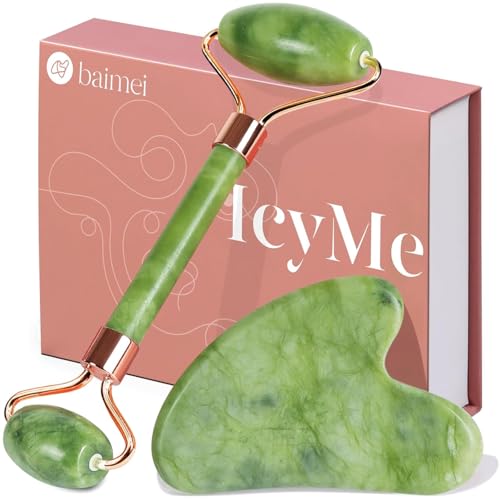 BAIMEI IcyMe Jade Roller and Gua Sha Set
 PLANTIFIQUE Face Roller and Gua Sha Set Rose Quartz










Write Your Review
No reviews yet. Be the first to share your experience!