Disdik Picks is reader-supported. When you buy through links on our site, we may earn a commission at no extra cost to you. As an Amazon Associate, we earn from qualifying purchases. Learn more ›
Best Electric Toothbrushes: 5 Picks for a Deeper Clean
Compare the best electric toothbrushes by cleaning action, modes, pressure sensors and battery life, from the Oral-B iO Series 6 to the budget Bitvae D2.
Nov 19, 2026
Updated Nov 20, 2026
21 min read
7 views
Compare the best electric toothbrushes by cleaning action, modes, pressure sensors and battery life, from the Oral-B iO Series 6 to the budget Bitvae D2.
⭐ Key Takeaways
Quick answer: Our top pick is Philips Sonicare ProtectiveClean 6100, with Oral-B iO Series 6 as a strong alternative.
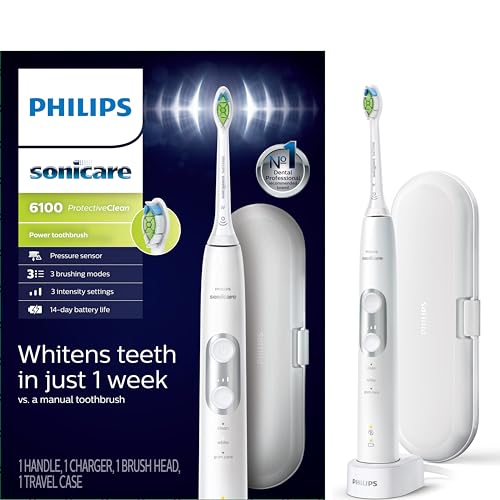
The best electric toothbrush for most people is the Philips Sonicare ProtectiveClean 6100, because it pairs the line’s 31,000 stroke per minute sonic clean with the guidance features that change daily habits: three cleaning modes, a pressure sensor, and BrushSync reminders that pair the mode to the head and tell you when the head is worn out, plus a 14-day battery and a travel case. If you want the brush itself to coach you, the Oral-B iO Series 6 is the guided pick, with an interactive display, an app connection and a pressure ring on the handle that shows green only when your pressure is right. The Philips Sonicare 4100 is the pared-back sonic pick, keeping the pressure sensor and the head reminder with two intensity settings and nothing else to manage. The Oral-B Pro 1000 is the oscillating pick, covering the basics, 3D cleaning action, a pressure sensor and a two minute timer, in the simplest handle Oral-B sells. The Bitvae D2 is the budget buy, ADA Accepted with eight brush heads in the box and a published 60-day battery, trading away a pressure sensor to get there.
As an Amazon Associate, we earn from qualifying purchases.
Sonic, pressure sensor and BrushSync head reminders
3 modes, 3 intensities
The fullest sonic feature set for most people
Premium
Oral-B iO Series 6
Oscillating round head, display, app and visible pressure ring
5 modes
Guided brushing with live pressure feedback
Premium
Philips Sonicare 4100
Sonic, pressure sensor and head reminder
1 mode, 2 intensities
Sonic cleaning without menus to manage
Mid-range
Oral-B Pro 1000
Oscillating-rotating 3D action, pressure sensor
Daily Clean (some versions 3 modes)
The name-brand oscillating basics
Mid-range
Bitvae D2
Sonic, no published pressure sensor
5 modes
Eight heads and a 60-day battery at the budget tier
Budget
What Separates One Electric Toothbrush From Another
Cleaning action is the first separator, because it decides head shape and brushing feel. The two Oral-B picks use a small round head that oscillates, rotates and pulsates around each tooth, which suits a tooth-by-tooth technique and reaches back molars easily. The three sonic picks, the two Philips models and the Bitvae, vibrate an elongated head at high frequency, 31,000 brush strokes per minute on the Philips models per the maker’s published figure, so the bristles sweep along the teeth while the motion drives fluid between them. Neither motion wins on the published record alone; both makers publish plaque removal figures well beyond a manual brush, and both build their guidance features around the same two minute session. Choose the action whose head shape matches how you actually brush.
Pressure protection is the second separator, and it divides this roundup cleanly. Four of the five picks publish a pressure sensor: the ProtectiveClean 6100 and the Sonicare 4100 warn you and, on the Philips design, automatically reduce the vibrations; the Pro 1000 stops its pulsations when you press too hard; and the iO Series 6 goes furthest, with a ring on the handle that lights to show too little, correct and too much pressure while you brush. The Bitvae D2 publishes no pressure sensor in its listing data, which is the clearest feature gap at its tier and the reason heavy-handed brushers should look up the table. Guidance layers on top of the sensor: BrushSync on the two Philips picks tracks head wear and reminds you to replace it, and the iO adds a display and an app that score your coverage.
Battery and brush heads are the third separator, because they set the running cost and the charging chore. Published battery life runs from up to 7 days on the Pro 1000 to 14 days on both Philips picks to a published 60 days on the Bitvae, and charging splits between bases that plug in, on the Oral-B models and the ProtectiveClean, and USB cables on the Sonicare 4100 and the Bitvae, where the wall adapter is not included. Heads matter just as much: every maker here works to a replacement interval of about three months, so the eight heads in the Bitvae box cover roughly two years, while the single head in each Oral-B and Philips box means your first replacement purchase comes one quarter in.
1. Philips Sonicare ProtectiveClean 6100
Top Pick
1. Philips Sonicare ProtectiveClean 6100
Form: Sonic electric toothbrush, rechargeable
Cleaning action: Sonic, up to 31,000 brush strokes per minute, per the maker’s published data for this model
Modes: 3 (Clean, White, Gum Care), 3 intensities, per the listing title and published reviews of the model
The ProtectiveClean 6100 is the default recommendation because its published design targets the middle of the category where most buyers land: a full-strength sonic clean with the guidance that keeps it gentle. Three modes, Clean, White and Gum Care, each run at three intensities, so a sensitive mouth and a stain-focused routine share one handle. The pressure sensor guards the gums, and BrushSync does two jobs the other brands split or skip: it pairs the mode to the head you fit, and it tracks how long and how hard the head has been used so the replacement reminder reflects wear rather than a calendar guess. The SmarTimer ends the session at two minutes and the QuadPacer prompts a move every 30 seconds, and the kit includes one DiamondClean brush head, a charger and a travel case per the maker’s published contents, with a battery the listing rates at 14 days.
The trade is depth of coaching. There is no app and no display on this handle, so feedback arrives as sensor responses and reminders rather than the coverage scoring the iO offers, and the two week battery is half what the budget Bitvae publishes. Item weight, full dimensions and a warranty term do not appear consistently in the listing data reviewed, so all three are marked not stated below rather than borrowed from a sibling Sonicare model. Choose the ProtectiveClean 6100 if you want the complete sonic toolkit, modes, sensor and head tracking, in one handle without paying for a screen.
2. Oral-B iO Series 6
Runner-Up
2. Oral-B iO Series 6
Form: Oscillating electric toothbrush with iO magnetic drive, rechargeable
Cleaning action: Small round head that oscillates, rotates and pulses around each tooth, per the maker
Modes: 5 (Daily Clean, Deep Clean, Gum Care, Sensitive, Whitening), per published product data for the model
Pressure sensor: Visual ring on the handle shows too little, correct and too much pressure, per the maker
The iO Series 6 is the guided pick, built around feedback the other four do not offer. Its interactive display handles mode selection, shows the two minute timer, and flags head replacement and battery level, while Bluetooth connects the handle to the Oral-B app for guided coaching on coverage. The pressure feedback is the most legible here: a ring on the handle lights in three states, so you can see too little, correct and too much pressure as it happens rather than inferring it from a change in sound or vibration. Five modes, Daily Clean, Deep Clean, Gum Care, Sensitive and Whitening per published product data for the model, run through Oral-B’s iO magnetic drive, and the box includes one iO Ultimate Clean head, a premium travel case and the magnetic charger per the listing.
Two cautions belong in the open. The iO head family is its own system, so replacement heads are iO-specific and the wide Oral-B head range that fits the Pro 1000 does not fit this handle. The published record is also thinner on endurance: no battery day count and no warranty term appear in the listing data reviewed, so both are marked not stated below rather than estimated from the higher iO Series models. The maker’s own product page does publish the physical figures used here, 9.25 in high and 4.4 oz with the head fitted. Choose the iO Series 6 if visible, real-time pressure feedback and app coaching are what will keep your technique honest.
3. Philips Sonicare 4100
3. Philips Sonicare 4100
Form: Sonic electric toothbrush, rechargeable
Cleaning action: Sonic, up to 31,000 brush strokes per minute, per the maker
Modes: 1 cleaning mode, 2 intensity settings, per the listing title
Pressure sensor: Yes; warns and automatically reduces the vibrations, per the maker
The Sonicare 4100 is the pared-back sonic pick, and its discipline is the point. It keeps the two guidance features that protect a new electric brush user, a pressure sensor that warns you and automatically reduces the vibrations, and the BrushSync replacement reminder that tracks head wear, and it drops the mode menu to a single cleaning mode at two intensity settings. The motor is the same published figure as the 6100 above, up to 31,000 brush strokes per minute, driving fluid between the teeth and along the gumline, and the box includes one C2 Optimal Plaque Control head and a USB charger per the listing contents. Battery life is published at up to 14 days per charge, matching the 6100.
The omissions are documented rather than hidden. There is no travel case in this box, the wall adapter for the USB charger is not included, so the brush charges from any sound USB power source you already own, and weight, dimensions and a warranty term do not appear consistently in the listing data reviewed, so they are marked not stated below. Some listing crawls for this ASIN also show a no featured offers note in the summary area, so confirm the live offer and the seller at checkout. Choose the Sonicare 4100 if you want sonic cleaning with pressure protection and a head reminder, and you would rather not pay for modes you will never switch on.
4. Oral-B Pro 1000
4. Oral-B Pro 1000
Form: Oscillating-rotating electric toothbrush, rechargeable
Cleaning action: 3D cleaning action that oscillates, rotates and pulsates, per the maker
Plaque claim: Removes up to 300 percent more plaque along the gumline than a regular manual toothbrush, per the maker’s published claim
Modes: Daily Clean on the standard version; some current versions list 3 modes (Daily Clean, Sensitive, Whitening), see the note above
The Pro 1000 is the oscillating pick for buyers who want the established basics and nothing else. Its 3D cleaning action oscillates, rotates and pulsates a small round CrossAction head whose bristles are angled at 16 degrees, and Oral-B publishes a claim of up to 300 percent more plaque removal along the gumline than a regular manual toothbrush for this model. The two guidance features that matter are both present: a pressure sensor that stops the pulsations when you press too hard, per the maker’s manual, and an in-handle two minute timer that signals with short stutters every 30 seconds and a longer stutter at the end. The box includes the handle, one CrossAction head and a charger.
The published record on this long-running model carries two honest flags. First, the mode count varies by production version: the standard version of this listing runs a single Daily Clean mode, while some current Oral-B documentation for the Pro 1000 lists three modes, Daily Clean, Sensitive and Whitening, so check the mode list on the box against the listing before ordering if the extra modes matter to you. Second, the battery is the shortest here by the maker’s own manual, which rates a full charge, taking up to 22 hours, at up to seven days of regular brushing, and some listing crawls for this ASIN show a no featured offers note in the summary area, so confirm the live offer and the seller at checkout. Item weight and dimensions do not appear consistently in the listing data reviewed and are marked not stated below. Choose the Pro 1000 if you prefer the round-head oscillating action and want it in its simplest, longest-running form.
5. Bitvae D2
5. Bitvae D2
Form: Sonic electric toothbrush, rechargeable
Certification: ADA Accepted, per the listing title
The Bitvae D2 is the budget buy, and it wins its tier on the two running-cost numbers budget brushes usually lose on. The first is heads: eight in the box, which at the standard three month replacement interval is roughly two years of brushing before you buy another head, where the other four picks include one. The second is battery: the listing publishes up to 60 days per charge, four times the Philips figure, charged by USB cable with the adapter not included, per the maker’s published package contents for the model. Five modes and an IPX7 waterproof rating round out the published hand, the listing title carries ADA Accepted status, and this listing is the travel bundle of the D2, adding a travel case and a toothbrush holder to the standard kit.
The compromise is guidance. No pressure sensor is published for this model in the listing data reviewed, so nothing warns you or intervenes when you scrub too hard, and there is no head wear tracking either, so the three month interval is yours to count. The maker’s published data for this listing also leaves the motor’s vibration figure unstated in the blocks reviewed, so it is marked not stated below rather than borrowed from a sibling Bitvae model. What is published is the warranty, two years per the listing data, the longest explicit term in this roundup. Choose the Bitvae D2 if the budget decides and you want the head supply and battery life settled for years, and your brushing pressure is already gentle.
Safety and Care Checks Before You Buy
Start with recalls, because this category has a real small-parts history. No CPSC or FDA recall covers any of the five products in this roundup. The near miss is worth knowing because it is about brush head discipline. In December 2011 the FDA recorded Class 2 recalls, including recall numbers Z-0857-2012 and Z-0859-2012, covering Arm and Hammer SpinBrush ProClean and Pro Whitening powered toothbrushes made for Church and Dwight: heads used beyond the recommended three month life, or damaged, could break and generate small parts, a possible choking hazard. The maker’s safety notice from that action is the standing rule for every brush in this roundup: replace the brush head after three months of use, or sooner if it is damaged or parts become loose, and inspect the brush for loose parts before use. None of the five picks here is a SpinBrush product, but the failure mode, a worn head kept in service too long, belongs to the whole category.
Second, pressure discipline. An electric brush does the work with motion, not force, and pressing hard wears bristles, irritates gums and, on the sensor models, simply triggers the safeguard. Let the head rest against the teeth and move slowly; if you are switching from a manual brush, start on the gentle setting, the low intensity on the Sonicare 4100, the Sensitive mode where fitted, and build up over the first weeks. Bleeding that persists beyond the first days of a new routine is a conversation for your dentist, not a reason to press harder or to stop cleaning. If you have had recent oral surgery or are mid-treatment, the makers’ published advice is consistent: check with your dentist before starting.
Third, water and charging discipline, from the makers’ own instructions. A waterproof rating such as the Bitvae’s IPX7 covers the handle, not the charger: keep charging bases, cables and adapters dry and away from a filled tub, charge on a dry counter, and never use a brush with a damaged cord or a cracked handle. Rinse heads after use, let them air dry rather than sealing them wet in a case for days, and store handles where they dry between sessions. Keep spare heads sealed until needed, and when a head’s bristles splay or its indicator fades, replace it on the three month rhythm the safety notice above sets out.
How to Choose the Right Electric Toothbrush
Start with cleaning action, because it eliminates more products than any feature list. If you brush tooth by tooth and want the smallest head for back molars and braces hardware, take an oscillating round head: the iO Series 6 for the full guidance stack, the Pro 1000 for the basics. If you prefer a familiar manual-brush head shape and a sweeping motion, go sonic: the ProtectiveClean 6100 for modes and head tracking, the Sonicare 4100 for the same motor with the menu removed, the Bitvae D2 for the budget version of the form.
Next, decide how much guidance you will actually use. A visible pressure ring and an app, the iO route, suit anyone rebuilding a scrubbing habit or sharing the brush with a teenager. A pressure sensor with automatic intervention, both Philips picks, protects gums without asking you to watch anything. No sensor at all, the Bitvae, is a reasonable trade only if your pressure is already light and your budget is the deciding factor.
Finally, count the chores. Battery life runs from about a week on the Pro 1000 to two weeks on the Philips pair to a published 60 days on the Bitvae, and the two USB-charged picks need a wall adapter you supply. Heads run the other way: one in the box for the Oral-B and Philips picks, eight for the Bitvae. Pick the combination of charging and head buying you mind least, because that is the routine you will still be following next year.
Frequently Asked Questions
Can an electric toothbrush clean better than a manual toothbrush?
On the makers’ published figures, yes, and the mechanism is consistency rather than magic. Oral-B publishes up to 300 percent more plaque removal along the gumline than a regular manual brush for the Pro 1000, and Philips publishes several times the plaque removal of a manual brush for its sonic models with the fitted heads. What the published record supports most strongly is the guidance: every pick here times the full two minutes and paces the quadrants, four carry a pressure sensor, and one pick, the Bitvae D2, carries ADA Accepted status in its listing title. If your dentist has prescribed a specific brush or head for a site in your mouth, that prescription overrides general guidance like this.
Should you choose a sonic or an oscillating electric toothbrush?
Choose by head shape and technique. Oscillating brushes, the two Oral-B picks, use a small round head that works tooth by tooth and suits braces, implants and back molars. Sonic brushes, the Philips pair and the Bitvae, use an elongated head closer to a manual brush, with high frequency vibration that also drives fluid between the teeth, and suit a sweeping technique. The published plaque figures of the two systems overlap, so the honest separator is which head you will guide carefully for two minutes twice a day, plus the guidance stack built around it, display and app on the iO, BrushSync reminders on the Philips models.
How often should you replace an electric toothbrush head?
About every three months, on every maker’s published guidance in this roundup, and sooner if the bristles splay, the head is damaged or any part feels loose; the FDA-recorded SpinBrush safety notice in the checks section above sets the same interval, because a worn head is both less effective and the category’s one documented small-parts risk. The two Philips picks track wear for you through BrushSync and remind you, the iO flags replacement on its display, and the Bitvae’s eight included heads work out to roughly two years of replacements at this interval. Heads are system-specific, iO heads fit only iO handles, so match the head family to your handle when reordering.
Can you use an electric toothbrush with braces, implants or crowns?
Yes, on the makers’ published guidance. Philips publishes the ProtectiveClean 6100 as usable on fillings, crowns, veneers and other orthodontics, and the small round Oral-B heads are the traditional pick around brackets and wires. Use a gentle mode or the low intensity, let the pressure sensor do its job rather than scrubbing at hardware, and expect heads to wear faster against braces, which shortens the three month interval. Any specific instruction from your orthodontist or implant dentist overrides the general guidance here.
Conclusion
An electric toothbrush purchase is a match between a cleaning action, the guidance you will actually use and the chores you mind least. For most people the Philips Sonicare ProtectiveClean 6100 is the buy: three modes, a pressure sensor, BrushSync head tracking, a 14-day battery and a travel case in one sonic handle. Take the Oral-B iO Series 6 when you want the display, the app and the visible pressure ring coaching every session, the Sonicare 4100 when you want the same sonic clean pared back to a sensor and a reminder, and the Oral-B Pro 1000 when you want the oscillating basics in their longest-running form, accepting its shorter battery and its version-dependent mode list. Take the Bitvae D2 when the budget decides; its eight heads and published 60-day battery are the strongest running-cost hand here, at the price of a pressure sensor. Whichever of the five you choose, replace the head every three months, let the brush do the work instead of pressing, and confirm the live offer and the exact color variant before you order.
D
Disdik Picks Editorial Team
We compare specs, materials and verified owner reviews before a product earns a spot. Rankings are never paid.
Affiliate disclosure. As an Amazon Associate we earn from qualifying purchases at no extra cost to you. Prices accurate as of the date shown.
Find the best razors for women for legs, underarms and sensitive skin. Compare five cartridge, disposable and shave-kit options and choose a smooth shave.
We compared the best comforters for every sleeper, from light all-season inserts to plush king-size picks, so you can find the right warmth for your bed.
We compared the best calculators for students, professionals, and home offices, covering scientific, graphing, financial, printing, and desktop models.



 4. Oral-B Pro 1000
 5. Bitvae D2










Write Your Review
No reviews yet. Be the first to share your experience!