Disdik Picks is reader-supported. When you buy through links on our site, we may earn a commission at no extra cost to you. As an Amazon Associate, we earn from qualifying purchases. Learn more ›
Best Massage Balls: 5 Picks for Deep Tissue Relief
Compare the best massage balls for trigger points, sore feet and deep tissue release, with sizes, materials and firmness levels explained for home use.
Nov 19, 2026
Updated Nov 20, 2026
10 min read
0 views
Compare the best massage balls for trigger points, sore feet and deep tissue release, with sizes, materials and firmness levels explained for home use.
⭐ Key Takeaways
Quick answer: Our top pick is TriggerPoint MB1 Massage Ball, with Kieba Massage Lacrosse Balls, Set of 2 as a strong alternative.
The best massage balls are simple tools with a clear job: place one under a tight spot, add body weight, and let the pressure work into the muscle. For most people, a firm 2.5-inch lacrosse-style ball covers the widest range of uses, from glutes and shoulders to the soles of the feet. Anyone who wants a gentler feel can choose a foam ball, while a spiky ball adds surface stimulation for feet and forearms. This guide compares five well-known options across the budget, mid-range, and premium tiers, explains how size, material, and firmness change the pressure you feel, and shows how to match a ball to the body part you want to work on. Every pick below is described from published specifications only, so you can compare dimensions and materials before you buy.
As an Amazon Associate, we earn from qualifying purchases.
Size decides where the ball works. Balls around 2.5 inches across are the standard choice because they fit under the glutes, between the shoulder blades, and under the arch of the foot. Smaller balls, down to under an inch, reach tight spaces such as the jaw, hands, and forearms. Larger balls of 4 to 5 inches spread pressure over a wider area and suit big muscle groups such as the quads, hamstrings, and chest, where a small ball can feel too sharp.
Material controls how the surface grips. Solid rubber balls are dense and stay put on the floor, which makes them easy to control against a wall. Foam balls have a slight give and a textured skin that grips skin and clothing. Silicone balls sit between the two, with a smooth surface that cleans easily. Spiky balls add raised points that increase surface sensation without adding much depth.
Firmness sets the intensity. A firm ball holds its shape under full body weight and pushes deeper into thick muscle. A softer ball flattens a little, which spreads the load and feels kinder on bony areas such as the ribs and the front of the shin. If you are new to self-massage, a medium or foam option is the safer first buy, and you can move to a firmer ball later.
Singles, pairs, and sets each have a role. A single ball is enough for most routines. A pair lets you place one ball on each side of the spine or work both feet at once, and two balls in a sock or tote form a peanut shape that cradles the back muscles. A graded set gives you several sizes and densities in one purchase, which helps when you want different pressure for different areas.
Care is simple but worth checking. Rubber and silicone balls wipe clean with soap and water. Foam balls should be wiped with a damp cloth and left to dry, since soaking can break the surface down over time. A storage bag or tote keeps a pair together in a gym bag.
The MB1 is a firm foam ball built to copy the pressure of a therapist pressing a thumb into a knot. Its layered EVA foam construction holds a dense core under a slightly grippy outer surface, so the ball stays where you place it on the floor or against a wall instead of skating away. At 2.6 inches across, it suits the glutes, calves, shoulders, and the muscles along the upper back, and it is small enough to pack in a carry-on bag for travel.
Because the foam has a small amount of give, the MB1 feels less harsh than a solid rubber ball of the same size, which makes it a sensible first ball for people who find lacrosse balls too aggressive. The trade-off is depth: very thick muscle may need the harder push of solid rubber. The surface wipes clean with a damp cloth.
This budget pair is the classic lacrosse ball route: two solid rubber balls at official lacrosse size, one blue and one red. Solid rubber is the densest common massage ball material, so these balls deliver the deepest pressure in this roundup when you lean your full weight onto them. Each ball weighs 5.1 ounces, which keeps it planted on hard floors while you roll.
Two balls double your options. Use one for single-spot work on the glutes or shoulders, place one under each foot, or put both in a sock to form a peanut for the muscles beside the spine. The smooth rubber surface is easy to wash and does not pick up lint the way foam can. The firm feel is the main caution: on bony areas or for beginners, the pressure can be more than is comfortable, so begin against a wall where you control the load.
The Yoga Tune Up pair takes a different approach to rubber. Each ball is 2.5 inches across and made of a grippy rubber compound with a surface designed to grab skin and clothing, so the ball drags across the tissue as you roll rather than sliding over it. That grip makes the pair popular for slow, deliberate work on the upper back, neck base, and feet, where sliding reduces control.
The two balls arrive in a mesh tote, and used together inside the tote they form a peanut shape for rolling along both sides of the spine. Used singly, they handle glutes, calves, and the forearms. The rubber has slightly more give than a lacrosse ball, which softens the first contact while still reaching deep. For buyers who want one pair that covers both single-ball and peanut work without a separate purchase, this is the most flexible mid-range option here.
The Pro-Tec Spiky Ball is a 2.75-inch high-density ball covered in firm spikes, built mainly for the feet. Rolling it under the arch gives strong surface stimulation that many people use for plantar fascia work after running or long shifts on hard floors. The spikes also suit the forearms, calves, and hands, where a smooth ball can feel too plain.
High-density construction means the ball keeps its shape under a standing adult, and the spikes stay firm rather than folding over. That same firmness is the limit: this is a surface tool, not a deep-pressure tool, and it is too intense for sensitive areas such as the neck. If your main goal is foot relief and you want more sensation than a smooth ball gives, this budget pick covers it in a single, washable piece.
RAD Rounds is the premium set in this guide: three silicone balls in graduated sizes and densities, so one purchase covers nearly every body part. The green ball measures 2.2 inches for general work on the back, glutes, and feet. The blue ball measures 1.6 inches for smaller targets such as the forearms and calves. The black ball measures 0.75 inches and reaches the jaw, hands, and other tight spaces that larger balls cannot fit into.
Silicone gives the set a smooth, grippy surface that rinses clean in seconds, and the three densities let you fine-tune pressure without changing your body position much. The total set weight is 7 ounces, so the full kit travels easily. The set costs more than a single ball, yet it replaces several separate purchases, which is why it sits in the premium tier as the most complete option here.
How to Use a Massage Ball
Place the ball on the floor or between your back and a wall, then lower your weight onto it slowly until you find a tender spot. Hold still on that spot for 20 to 30 seconds while you breathe out, then roll a short distance to the next spot. Wall work gives you finer control over pressure, which helps on the shoulders and upper back. Floor work suits the glutes, hamstrings, and feet, where you can add more load.
Keep the ball on muscle, not on bone, joints, or the front of the neck, and stop if you feel sharp or shooting pain. A mild ache that eases as you breathe is the normal working sensation. Two or three minutes per area is plenty for one session, and you can repeat the routine on most days. Anyone with an injury, recent surgery, or a medical condition should check with a clinician before using deep pressure tools.
FAQ
What size massage ball is best for feet?
A ball between 2.5 and 2.75 inches suits most feet, since it fits under the arch and lets you roll from heel to toes with control. Spiky versions add surface stimulation, while smaller balls under 2 inches target the heel and the ball of the foot with sharper focus.
How firm should a massage ball be for deep tissue work?
Solid rubber and dense silicone hold their shape under full body weight and push deepest, so they are the firm end of the range. Foam balls give a little and feel gentler. Match firmness to the area: firm for glutes and back, softer for ribs, shins, and other bony spots.
Can a massage ball replace a foam roller?
A ball covers small, specific spots that a roller cannot reach, such as the glutes, the chest, and the muscles beside the spine. A roller covers long muscles such as the quads and the full back more quickly. Most routines use both, since the two tools do different jobs.
How long should you roll one spot with a massage ball?
Hold each tender spot for about 20 to 30 seconds, or roll slowly over it for up to a minute, then move on. Two or three minutes per muscle area in one session is a sensible limit, and you can repeat the work on later days as the tissue settles.
Conclusion
For a single all-round buy, the TriggerPoint MB1 balances firm pressure with a forgiving foam surface. The Kieba pair is the budget route to deep solid-rubber pressure, the Yoga Tune Up pair adds grip and a ready-made peanut option, and the Pro-Tec Spiky Ball serves feet that want strong surface stimulation. RAD Rounds is the premium set for anyone who wants every size in one silicone kit. Pick by the body part you plan to work on first, then by firmness, and any of these five will cover a solid home routine.
D
Disdik Picks Editorial Team
We compare specs, materials and verified owner reviews before a product earns a spot. Rankings are never paid.
Affiliate disclosure. As an Amazon Associate we earn from qualifying purchases at no extra cost to you. Prices accurate as of the date shown.
Find the best razors for women for legs, underarms and sensitive skin. Compare five cartridge, disposable and shave-kit options and choose a smooth shave.
We compared the best comforters for every sleeper, from light all-season inserts to plush king-size picks, so you can find the right warmth for your bed.
We compared the best calculators for students, professionals, and home offices, covering scientific, graphing, financial, printing, and desktop models.


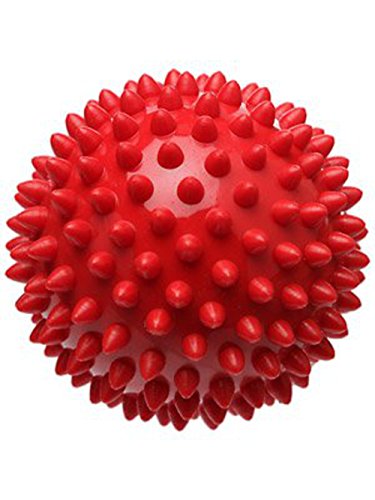 4. Pro-Tec Athletics Spiky Ball
 5. RAD Rounds, 3-Pack










Write Your Review
No reviews yet. Be the first to share your experience!