Disdik Picks is reader-supported. When you buy through links on our site, we may earn a commission at no extra cost to you. As an Amazon Associate, we earn from qualifying purchases. Learn more ›
Best Foam Rollers: 5 Picks for Recovery and Mobility
Compare the best foam rollers for sore muscles and tight backs, from a budget smooth roller to a vibrating premium pick, with sizes, densities and specs.
Nov 19, 2026
Updated Nov 20, 2026
11 min read
0 views
Compare the best foam rollers for sore muscles and tight backs, from a budget smooth roller to a vibrating premium pick, with sizes, densities and specs.
⭐ Key Takeaways
Quick answer: Our top pick is Amazon Basics High-Density Foam Roller, with OPTP PRO-Roller Soft Density Foam Roller as a strong alternative.
The best foam roller for most people is a firm, smooth 18-inch model that holds its shape under body weight, because it covers the back, glutes, quads and calves without feeling aggressive on tender tissue. Anyone new to rolling or working around sensitive areas is better served by a soft density full-length roller, while experienced users who want deeper pressure can step up to a textured roller or a vibrating model. The five picks below span budget, mid-range and premium tiers, and each one is built around a different need: simple firm pressure, gentle compression, zoned texture, deep tissue bumps, or powered vibration. Every pick is described from published maker and listing specifications only, so the sizes, materials and capacities quoted here can be checked against the product page before ordering.
As an Amazon Associate, we earn from qualifying purchases.
Density decides how a session feels. Soft density rollers compress under body weight and spread pressure over a wider area, which suits beginners, older users and anyone rolling over bony or tender spots. High-density rollers barely compress at all, so the same body weight lands on a smaller contact patch and the pressure feels much stronger. Neither is better in absolute terms; the right choice is the firmest surface you can relax against, because tensing up against the roller works against the goal of the session.
Length decides which muscles you can reach. A 36-inch roller is long enough to lie along for upper back work and to support both legs at once, and it doubles as a stability tool for Pilates and balance drills. An 18-inch roller covers most large muscle groups and stores easily in a closet or car trunk. Compact rollers around 12 to 13 inches target calves, glutes and the band along the outer thigh, and they fit in a gym bag.
Surface design changes pressure again. Smooth rollers give even, predictable contact. Zoned rollers mix flat panels, ridges and nodules so pressure varies as you move. Aggressive bump patterns concentrate force into small points for deep tissue work and are a poor match for anyone still building tolerance. Vibrating rollers add powered pulses on top of body weight pressure, which many users find lets them settle into a sore area with less guarding; they add charging, weight and a premium tier cost in exchange.
Diameter and shape round out the decision. Most full rollers measure six inches across, a size that lifts the body high enough to roll the back and thighs with control. Slimmer rollers sit lower and feel steadier for forearm, calf and foot work. Half-round rollers, flat on one side, stay put on the floor and serve balance training and gentle supported stretches; they appear in the OPTP line alongside the full-round models in this roundup. Material matters over time as well: closed-cell foams resist moisture and odor, while basic molded foams trade a little surface refinement for durability and a lower tier.
The Amazon Basics roller is the straightforward budget pick: a molded polypropylene cylinder with a smooth surface and a firm feel that does not soften under load. The 18-inch length is the versatile middle ground, long enough for two-leg calf work and upper back rolling while still short enough to tuck behind a sofa. Its high-density build is the same style used in gyms and clinics, and the smooth skin wipes clean with a damp cloth after a session. Because the foam is genuinely firm, first-time users should lean body weight in gradually and keep early sessions short. There is no texture to manage and nothing to charge, which makes it a sensible first roller and a durable spare for a home gym corner.
OPTP supplies therapy clinics, and this soft density PRO-Roller is the gentle option in the roundup. The closed-cell EVA foam gives under body weight instead of pushing back, so compression feels forgiving on sensitive tissue, post-injury areas and bony points along the spine. At 36 inches it is the longest roller here, which makes it the natural pick for lying lengthwise along the back, for Pilates work and for balance and posture drills that need support under both shoulder blades. The closed-cell surface resists moisture and wipes clean, a practical detail for shared studio use. Users who already own a firm roller and want a recovery-day alternative, or who found high-density foam too intense, are the audience for this one.
The GRID 1.0 wraps EVA foam around a rigid hollow core, so it feels firmer than a solid foam cylinder and keeps its shape through years of daily sessions. Its surface is divided into three zones modeled on a therapist’s hands: flat panels that mimic a palm, tubular ridges that mimic fingers, and firm nodules that mimic fingertips. Rolling slowly across the zones changes the pressure without changing rollers. At 13 inches it is a targeted tool rather than a full-back roller, aimed at calves, glutes, quads and the outer thigh band. The compact size travels well, and the hollow core keeps it light. It suits users who have outgrown a smooth budget roller and want varied pressure in a small footprint.
RumbleRoller Original Textured Foam Roller
RumbleRoller Original Textured Foam Roller
Length: 12.75 in, compact size
Material: EVA and polyolefin blend
Surface: Firm, flexible textured bumps
Density: Original, with an extra firm version also offered
The RumbleRoller is the deep tissue specialist. Its surface carries a pattern of firm but flexible bumps that bend and spring back under load, pressing into muscle much like a therapist’s thumbs rather than spreading force across a flat cylinder. This compact original density version measures under 13 inches, so it is built for focused work on calves, glutes, forearms and stubborn knots rather than long back sessions. The EVA and polyolefin blend is tougher than standard foam and holds up to heavy daily use. This is not a beginner roller: even the original density feels intense, and the maker also sells an extra firm version for experienced users with dense muscle tissue. Choose it when smooth and zoned rollers no longer reach the tightness you are working on.
The Vyper 3 adds a motor to the roller format. Three vibration speeds from a 34-watt high-torque motor layer pulses over body weight pressure, and the contoured polypropylene body narrows in the middle so the spine and other sensitive central areas sit in the groove with less direct contact. Battery life is rated at up to two hours per charge, and the roller pairs with the Hyperice app over Bluetooth for guided routines, though every control also works from the device itself. It is approved for carry-on travel and ships with a wall charger and plug adapters. At 2.7 lb it is the heaviest pick here, a fair trade for users who want the strongest assisted pressure and guided sessions in the roundup.
Rolling Basics and Care
Work each large muscle group with slow passes, pausing on tender spots for a few relaxed breaths rather than forcing through them. Keep the roller under muscle, not directly under joints, the lower back or the neck, and come off any area that produces sharp or radiating pain. Short daily sessions tend to build the habit better than occasional long ones. Breathing slowly while you hold a tender spot helps the muscle relax into the pressure, and supporting part of your weight with a free hand or foot lets you grade the intensity on difficult areas such as the outer thigh. Anyone managing an injury, circulation condition or recent surgery should clear regular rolling with a clinician first, since pressure tools are not a fit for every recovery plan.
Smooth and closed-cell rollers wipe clean with a damp cloth and mild soap; textured rollers benefit from a brush to clear the grooves. Store any foam roller away from direct heat and sunlight so the foam keeps its density, and keep vibrating models charged between sessions so the battery is ready when soreness is not. A roller that develops a permanent flat spot or cracked surface has reached the end of its working life and should be replaced, because uneven foam changes the pressure it delivers.
Which Pick Fits Which Routine
Daily general recovery on a budget points to the Amazon Basics roller, since its firm smooth surface covers the major muscle groups with no upkeep. Gentle work, Pilates and supported back sessions point to the OPTP PRO-Roller, whose soft density and full length favor control over intensity. Lifters and runners who roll several times a week and want varied pressure from one tool are the natural audience for the TriggerPoint GRID 1.0. Stubborn deep knots that shrug off smooth rollers call for the RumbleRoller and its bump pattern. Users who prefer guided sessions, or who find that vibration lets them tolerate firmer pressure, are the match for the Hyperice Vyper 3 at the premium tier.
Frequently Asked Questions
Which foam roller length should a beginner choose?
An 18-inch roller is the easiest length to learn on, since it covers the calves, quads, glutes and upper back while staying simple to store. A 36-inch roller adds full-spine support and stability work, and compact rollers suit travel and single-muscle focus once the basic moves feel familiar.
Is a soft or firm foam roller better for sore muscles?
Soft density suits tender tissue, early recovery work and anyone who tenses against strong pressure. Firm rollers deliver deeper compression for large, dense muscles such as quads and glutes. Many households end up with one of each, using the soft roller on sensitive days and the firm roller for routine work.
How often should you use a foam roller?
Short sessions of five to ten minutes work well on training days and rest days alike. Rolling before a workout is usually kept light and quick, while slower, longer passes on sore areas fit better after training or in the evening. Consistency matters more than session length.
Are vibrating foam rollers worth the premium tier?
Vibration helps many users settle into sore areas with less guarding, and guided app routines add structure for people who like direction. The trade-offs are weight, charging and cost. If a plain firm roller already gives the pressure you want, the powered models are an upgrade in comfort rather than a necessity.
Conclusion
Match the roller to the pressure you can relax against. The Amazon Basics model covers the basics firmly and cheaply in tier terms, the OPTP PRO-Roller softens the experience for sensitive tissue and full-length work, and the TriggerPoint GRID 1.0 adds zoned texture in a compact frame. The RumbleRoller pushes deepest for experienced users, and the Hyperice Vyper 3 layers powered vibration and app guidance on top. With density, length and surface settled, any of the five will support a steady recovery routine.
D
Disdik Picks Editorial Team
We compare specs, materials and verified owner reviews before a product earns a spot. Rankings are never paid.
Affiliate disclosure. As an Amazon Associate we earn from qualifying purchases at no extra cost to you. Prices accurate as of the date shown.
Find the best razors for women for legs, underarms and sensitive skin. Compare five cartridge, disposable and shave-kit options and choose a smooth shave.
We compared the best comforters for every sleeper, from light all-season inserts to plush king-size picks, so you can find the right warmth for your bed.
We compared the best calculators for students, professionals, and home offices, covering scientific, graphing, financial, printing, and desktop models.


 RumbleRoller Original Textured Foam Roller
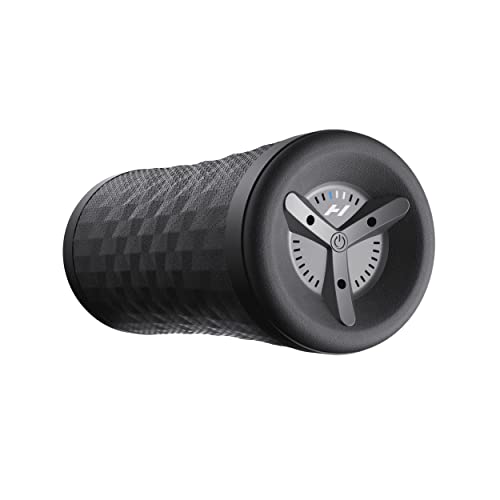 Hyperice Vyper 3 Vibrating Foam Roller










Write Your Review
No reviews yet. Be the first to share your experience!