
Our Short List of 3
All 4 Picks at a Glance
| Product | Specs | Action |
|---|---|---|
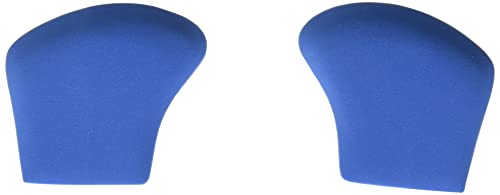 Powerstep Metatarsal Pads for Women and Men | Check price on Amazon | |
 Foot Petals Ball of Foot Cushions Gel | Check price on Amazon | |
 Pedag Drop Metatarsal Arch Pads Leather | Check price on Amazon | |
 Walkize Metatarsal Pads Ball of Foot Cushions | Check price on Amazon |
Key takeaways
- Compare gel, felt and leather metatarsal pads for forefoot pain, with fit, placement and care advice to cushion the ball of the foot in everyday shoes.
Forefoot pain can turn a short walk, a long shift, or an evening in dress shoes into a slow negotiation with every step. Metatarsal pads sit just behind the ball of the foot, spreading pressure away from the metatarsal heads instead of letting it concentrate in one sore spot. The five pads below cover the main approaches: washable fabric sleeves with gel, structured cushions, slim gel pads for heels, anatomically shaped leather drops, and soft cushions for everyday shoes, so placement and fit matter as much as material.
As an Amazon Associate, we earn from qualifying purchases.
Quick Answer
For most people, the ZenToes fabric sleeves with gel inserts are the easiest starting point because they stay in place without adhesive and wash for reuse. Choose Pedag Drop leather pads for precise placement inside dress shoes, Powerstep cushions for structured support in roomier footwear, Foot Petals gel pads for slim heels, and Walkize cushions for soft, low-profile comfort under the forefoot during long days on your feet.
How to Choose
Start with placement, because a pad only helps in the right spot. It should rest just behind the ball of the foot, under the metatarsal heads, rather than directly under the sore area. That position spreads the metatarsal bones slightly and reduces forefoot pressure with each step. If a pad feels like a lump under your toes, it is too far forward, so adjust it in small steps before a full day.
Next, match the format to your shoes. Sleeve pads wrap around the forefoot and hold a gel insert in place, suiting trainers and work shoes where movement might shift a loose pad, though they can feel snug in narrow dress shoes. Adhesive pads suit open or fitted footwear because nothing wraps around the toes. Leather drops are thin and shaped for formal shoes, and slim gel cushions suit heels, where the forefoot carries more load and space is limited.
Material changes feel and lifespan. Gel absorbs impact and feels soft from the first step, and washable gel can be reused if cleaned gently and dried flat. Foam compresses over time but feels firmer at first, which some people prefer in roomier shoes. Leather holds its shape well and suits people who want a small, precise lift rather than broad softness. No material fixes the underlying cause of forefoot pain, so persistent or worsening pain deserves professional assessment.
Consider thickness carefully. A thicker pad cushions more but takes up room, which can make a snug shoe press on top of the foot. Athletic shoes with removable insoles usually have room for a structured cushion; in flats, loafers, and heels, a thin pad is safer. To move pads between shoes, choose a sleeve or repositionable gel design. For one favourite pair, choose an adhesive pad and leave it in place.
Sizing matters too. A loose sleeve will bunch, while a tight one can squeeze the toes. Trim one-size pads only if the maker allows it, and never trim the raised centre of a shaped pad. Finally, think about hygiene: pads should be washable or affordable to replace regularly, and any pad that stays damp, loses its stick, or flattens should be retired.
ZenToes Metatarsal Pads Fabric Sleeves with Gel Inserts
The ZenToes design wraps the forefoot in a flexible fabric sleeve with a gel insert under the ball of the foot. The sleeve holds the pad in place, so there is no adhesive to fail and no loose cushion sliding toward the toes. The pack contains two pairs, small, in beige, and the listing describes the pads for sesamoiditis, metatarsalgia, and Morton neuroma discomfort, as well as general forefoot pain.
This is the most forgiving option for beginners. Pull the sleeve on, check that the gel sits behind the ball of the foot, then add socks or shoes as normal. The fabric spreads contact across the forefoot instead of relying on one adhesive point. Hand wash with gentle soap and warm water and lay flat to dry, so the second pair can be worn while the first dries.
The trade-offs are bulk and sizing. A sleeve adds material, so tight dress shoes may feel crowded, and the gel gives broad, soft cushioning rather than a firm anatomical lift, so fans of a precise drop may prefer Pedag below. For trainers and work footwear, though, the stay-put design solves the most common complaint about metatarsal pads: movement.
Specs
| Feature | Detail |
|---|---|
| Format | Fabric sleeve with gel insert |
| Pack contents | Two pairs |
| Size shown | Small, beige |
| Placement | Worn on the foot |
| Care | Hand wash, lay flat to dry |
| Best for | Trainers and everyday shoes |
Powerstep Metatarsal Pads for Women and Men
Powerstep takes a more structured approach, offering ball-of-foot cushions in a large pack of one pair in blue. It suits people who like a firmer, shaped feel underfoot rather than a soft gel layer, and works best in shoes with enough depth, such as walking shoes, casual lace-ups, and work shoes with removable insoles.
A structured pad suits people who find very soft pads unstable. It spreads load while holding its shape through the day, so the forefoot does not sink through the padding by mid-afternoon. Position it behind the ball of the foot and test it indoors first, because a firmer pad placed too far forward is more noticeable than a soft one.
Because this is a single sized pack, check the size guidance before ordering. A pad that is perfect in a roomy trainer may be too much for a slim loafer, and sensitive forefeet may find a firmer cushion less soothing at first than gel, so build up wear gradually. For support that keeps its shape, this is the most structured pick here.
Foot Petals Ball of Foot Cushions Gel
Foot Petals focuses on heels: weight shifts forward, the ball of the foot takes the load, and a thin dress insole offers little protection. This gel version comes as three pairs in one size, made to relieve forefoot discomfort while helping stop the foot sliding forward in an open shoe. The slim profile is the point, because a heel pad must cushion without visibly filling the shoe.
Gel suits this job well. It absorbs impact, gives a little grip that helps the foot stay in place, and stays discreet in sandals and court shoes where a sleeve would show. Three pairs also make sense for dress shoes, since you can leave a pair in each favourite shoe instead of moving one set and weakening the fit.
The limits follow from the slim design. A thin heel cushion will not give the broad support of a structured pad in a trainer, and it is not ideal for long runs or heavy shifts. It also needs placement on a clean, dry insole. For weddings, evenings out, and office days in heels, this is the most purpose-built option here.
Pedag Drop Metatarsal Arch Pads Leather
Pedag Drop pads are small, teardrop-shaped leather pads made in Germany, designed to lift and support the metatarsal arch. The medium size listed fits European sizes in the high thirties to forty range, and the pads use self-adhesive backing over vegetable-tanned leather. Instead of covering the whole forefoot, the drop sits at a precise point just behind the metatarsal heads.
That precision is the appeal. A shaped leather drop gives a defined lift that flat cushions do not, holds its shape through repeated wear, and leaves room for toes in close-fitting shoes. Small placement changes matter, so follow the shape: the ends are not interchangeable, and the pad belongs behind the ball of the foot, not beneath the toes.
Once stuck down, a pad is best left in that shoe, so multipacks make sense for several pairs. Leather will not feel as soft at first as gel, and fans of plush cushioning for hard floors may prefer ZenToes or Walkize. For a discreet, long-lasting lift in dress shoes and loafers, Pedag Drop is the specialist choice.
Walkize Metatarsal Pads Ball of Foot Cushions
Walkize offers soft ball-of-foot cushions in a two-pair pack, in beige, in a one-size design aimed mainly at women’s shoes including heels and sandals. The listing describes all-day relief and comfort. The soft, low-profile cushion sits inside the shoe and focuses on simple comfort rather than a firm anatomical lift.
This suits people whose main complaint is soreness under the forefoot rather than a need for a shaped drop. Beige stays discreet in light footwear, and two pairs let one set live in daily shoes while the other covers a second pair. The soft feel is also easy to accept at first wear, with less of the lump a firmer pad can create.
Longevity depends on fitting to a clean shoe surface and not moving the pads repeatedly. Soft padding can compress with heavy use, so replace cushions when they flatten. They are less suitable for wide work boots or anyone needing a strong lift. For gentle, discreet cushioning in heels, sandals, and light shoes, Walkize covers the basics well.
Who Should Skip It
Skip metatarsal pads, and seek professional advice first, if you have diabetes with reduced foot sensation, poor circulation, open wounds, an active foot infection, or a recent fracture. Added pressure in the wrong place can cause harm when you cannot feel it properly, and the ZenToes listing itself warns against use on open wounds or infected feet. You should also skip self-treating and get assessed if pain is sharp, one-sided and worsening, accompanied by swelling or numbness that does not settle, or if you cannot bear weight normally.
Pads are also the wrong purchase if the real problem is shoe fit. A shoe that is too short, too narrow, or worn out will keep overloading the forefoot, and adding a pad to a tight shoe can worsen crowding. A generic cushion is not a substitute for a prescribed orthotic. Skip sleeves if you dislike anything around your toes, and skip adhesive pads if you plan to swap one pair between many shoes daily.
FAQ
Where exactly should a metatarsal pad sit?
Place the pad just behind the ball of the foot, under the area behind the metatarsal heads, rather than directly under the sorest point. That position spreads pressure across the forefoot as you step. Walk indoors first, and if the pad feels like a lump under your toes, move it slightly backward until the pressure feels broader and more even.
Can metatarsal pads help with Morton neuroma discomfort?
Many pads in this guide, including the ZenToes sleeves, are described for Morton neuroma discomfort because spreading the metatarsal bones slightly can reduce pressure around the irritated nerve area. Results vary, and a pad does not treat the underlying condition. If you have persistent tingling, burning, or numbness in the toes, get a professional diagnosis rather than relying on cushions alone.
How long do gel and leather pads last?
It depends on wear, washing, and how often the pad is moved. Washable gel sleeves can be reused through many wears if they are washed gently and dried flat, while adhesive gel and foam cushions gradually lose stick and thickness. Leather drop pads tend to hold their shape longest when left in one shoe. Replace any pad that flattens, tears, stays damp, or no longer stays in position.
Can I wear metatarsal pads in running shoes?
Yes, if the shoe has room and the pad stays in place. Sleeves are usually most secure for movement, while adhesive pads can shift. Start with a short outing, check placement afterwards, and stop if the pad creates a hot spot. For recurring running pain, a gait assessment is worthwhile.
Final Verdict
The best pad matches your shoes and stays where you placed it. Choose ZenToes for washable, stay-put gel comfort, Powerstep for a firmer cushion in roomier footwear, and Foot Petals for slim gel protection in heels. Pick Pedag Drop for a precise leather lift in fitted shoes, and Walkize for gentle softness in light shoes. Build up wear gradually, and treat worsening forefoot pain as a reason to seek professional advice, not thicker padding.
Product and ASIN Reference
| Product | ASIN |
|---|---|
| ZenToes Metatarsal Pads Fabric Sleeves with Gel Inserts | B0716J6G8X |
| Powerstep Metatarsal Pads for Women and Men | B000KPONF8 |
| Foot Petals Ball of Foot Cushions Gel | B01N319IR7 |
| Pedag Drop Metatarsal Arch Pads Leather | B001E6UCH0 |
| Walkize Metatarsal Pads Ball of Foot Cushions | B07D75FTT3 |
More from Amazon
Programs that pair well with the guide above. Offers and eligibility are set by Amazon and may change.
Set up recurring deliveries of everyday items on eligible products. Terms and savings are set by Amazon.
Explore Subscribe & SaveCollect the home and kitchen items you want in one registry that guests can shop from.
Create a wedding registryFree shipping on eligible items, Prime Video and more. Eligible new members can start with a free trial.
Start a Prime free trialAudiobooks and podcasts to listen to on the go. Eligible new members can start with a free trial.
Try Audible freeAs an Amazon Associate we earn from qualifying purchases.










Write Your Review
No reviews yet. Be the first to share your experience!