
Our Short List of 3
All 5 Picks at a Glance
| Product | Specs | Action |
|---|---|---|
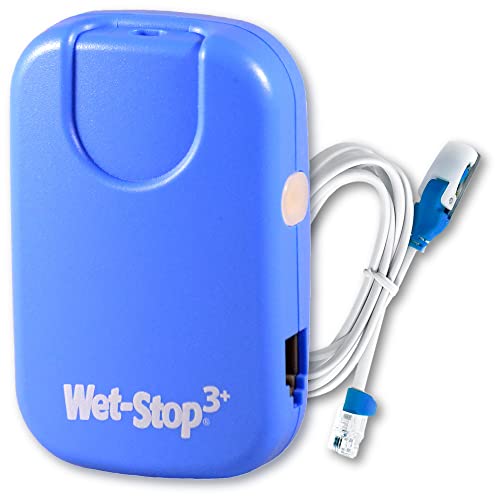 Wet-Stop 3 Blue Bedwetting Enuresis Alarm | Check price on Amazon | |
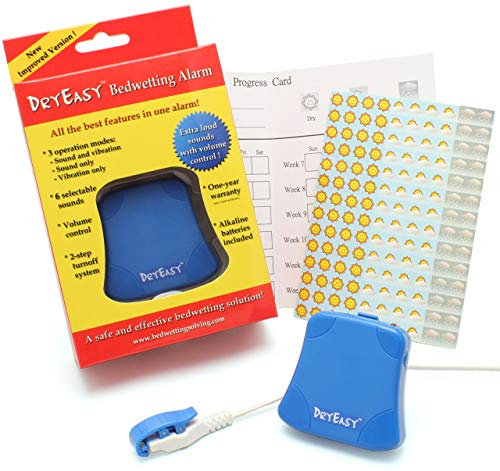 DRYEASY Bedwetting Alarm with Volume Control | Check price on Amazon | |
 DryEasy Plus Wireless Bedwetting Alarm | Check price on Amazon | |
 Chummie Premium Bedwetting Alarm for Deep Sleepers | Check price on Amazon | |
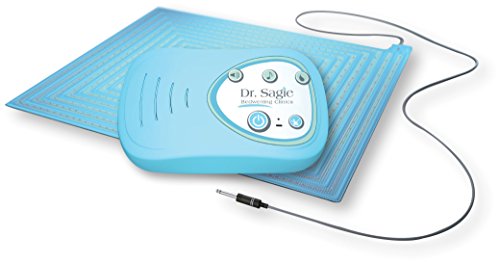 TheraPee Bedwetting Alarm System with No-Wear Sensor | Check price on Amazon |
Key takeaways
- Compare the best bedwetting alarms for kids, from wearable Wet-Stop and DryEasy sensors to wireless and pad systems that help children wake dry.
Bedwetting is common in childhood, and for many families it fades as the bladder and sleep patterns mature. When wet nights continue well past the early school years, a bedwetting alarm, also called an enuresis alarm, is often the first approach pediatric guidance suggests. The idea is simple conditioning: a moisture sensor detects the first drops, an alarm wakes the child, and over weeks the brain learns to link a full bladder with waking up or holding on until morning.
The five alarms below cover the main styles: three wearable alarms with a sensor clipped to underwear, one wireless system with a separate receiver, and one bedside pad system with nothing worn. None is medication, and none works overnight.
As an Amazon Associate, we earn from qualifying purchases.
Quick Answer
For most children, start with a wearable alarm such as the Wet-Stop 3 or the DRYEASY alarm, both of which combine sound and vibration at the first drop. Choose the DryEasy Plus Wireless if a cord will bother your child, the Chummie Premium for a deep sleeper who needs light as well as sound, and TheraPee if you want a pad system with structured online guidance.
How to Choose
Start with sensor style, because that decides comfort. Wearable alarms place a small sensor on the outside of regular underwear, close to where moisture first appears. They react fastest because the sensor sits at the source, but the child wears a cord running up to an alarm unit clipped near the shoulder. Wireless wearable alarms keep the sensor on the underwear and send the signal to a receiver, removing the cord. Pad systems put a sensor mat under the sheet instead, so nothing is worn, though detection can be slightly slower because moisture must reach the pad.
Next, think about how your child sleeps. Light sleepers often wake with vibration alone, which keeps the rest of the household asleep. Deep sleepers usually need sound plus vibration, and sometimes light, delivered together. Look for more than one tone or an adjustable volume, because a sound a child sleeps through one week may work better when it changes. A two-step shutoff also helps, since the child must dry or disconnect the sensor to silence it.
Comfort matters more than extra features. Soft, flat sensors that tape or clip flat tend to stay in place better. Check how the sensor attaches, whether replacements are easy to find, and how it is cleaned — most simply need wiping dry before reset.
Consider who else needs to hear the alarm. If a parent must help with resets, a wireless receiver or louder bedside unit helps; if siblings share a room, vibration-first modes reduce disruption. Plan the routine in advance: spare pajamas and sheets within reach, a waterproof mattress cover, and a simple progress chart.
Finally, set expectations. Most wearable alarms suit children aged five and older who are motivated and can help with resets. Commit to several weeks of consistent use, including weekends. Talk with your pediatrician first if bedwetting starts suddenly after a dry period, or with pain, excessive thirst, snoring, daytime wetting, or constipation.
Wet-Stop 3 Blue Bedwetting Enuresis Alarm
The Wet-Stop 3 is a compact wearable alarm designed by a pediatric urologist, and a common first recommendation for families who want a straightforward system without extra programs. The small unit clips to pajamas near the shoulder, and a cord runs under the pajamas to a sensor tip clipped to the outside of the underwear where moisture is expected first.
When the sensor detects urine, the unit offers six varying alarm tones plus vibration, so parents can choose sound, vibration, or both. Varying the tone helps if a child begins to tune out a single repeated sound. The two-step shutoff requires pressing and holding a button while drying the sensor, encouraging the child to wake fully, finish in the toilet, and help reset for the rest of the night. A test button lets a nervous child hear the sounds in daylight before the first real night.
A progress chart and reward stickers are included for marking dry nights and smaller wet spots. The sensor wipes clean easily. Tradeoffs are the cord, which some restless sleepers dislike, and that the sensor should not be clipped over thick overnight pull-ups, since moisture may not reach it.
DRYEASY Bedwetting Alarm with Volume Control
The DRYEASY alarm is another wearable option, built around volume control and a choice of sounds. The unit attaches near the shoulder and connects by cord to a sensor clipped to underwear. When moisture is detected, families can select from six sounds and adjust the volume, which is useful when the same alarm must suit a light sleeper one month and a deeper sleeper later, or when siblings sleep nearby.
Volume flexibility is the headline difference. A fixed loud alarm can startle a younger child, while a fixed quiet one may never wake a deep sleeper. Starting lower and raising the volume, or relying on vibration, lets parents adapt without buying a second device. The clip is designed to hold firmly, since a slipped sensor is a common reason for a missed event.
Daily use is simple: clip the sensor in the same spot each night, switch on, and dry the sensor fully before resetting. Routing the cord under pajamas reduces tangling. For families wanting more control over loudness without going wireless, this is the most adjustable wired pick.
DryEasy Plus Wireless Bedwetting Alarm
The DryEasy Plus Wireless removes the cord that puts some children off wearable alarms. A small transmitter and sensor stay at the underwear, while the alarm receiver sits separately and sounds when the sensor detects moisture. For children who toss and turn, or who refuse anything tethered to their pajamas, that freedom can be the difference between using an alarm every night and abandoning it after a week.
The receiver offers sound and vibration modes tailored to how deeply the child sleeps. A parent can keep it within earshot in the early weeks, when children need help waking and resetting, then move it closer to the child to build independence.
Wireless systems need a little more setup: power the transmitter and receiver as directed, position the sensor carefully, and test with a damp cloth before the first night. In return, there is no cord to snag or pull loose — usually the most comfortable route for older children and teens.
Chummie Premium Bedwetting Alarm for Deep Sleepers
The Chummie Premium is a wearable alarm aimed squarely at deep sleepers. Its IntelliFlex sensor is made from soft, flexible silicone with a larger detection area than a small clip tip, and it is designed to detect the first drop of urine. The flat sensor lies against the outside of the underwear and is held in place with the included tape system, which many children find more comfortable than a hard clip, especially if they sleep on their front.
The alarm unit combines loud sound, bright lights, and strong vibration together, giving three cues at once rather than relying on volume alone. Families can choose from multiple tones, and the unit includes a two-step shutoff to help ensure the child is properly awake. The system also alerts if the sensor becomes disconnected or the battery runs low, reducing the chance of a silent night caused by setup rather than dryness.
A reward system and app support materials are included. The unit is compact, worn near the neckline or in an optional armband. Tradeoffs are the ongoing need for sensor tape and the cord, but the wide, soft sensor plus light and vibration makes this the strongest deep-sleeper pick here.
TheraPee Bedwetting Alarm System with No-Wear Sensor
TheraPee takes a completely different approach. Nothing is worn or clipped to underwear. A sensor pad goes under the bedsheet, and the StoPee alarm unit sits beside the bed. When moisture reaches the pad, the alarm sounds and the child gets up to use the toilet while a parent changes the sheet. Because nothing is attached to the body, it suits children who cannot tolerate a wearable sensor at all.
What sets TheraPee apart is its structured online program, built around a clinic model, with a personalized step-by-step plan and progress tracking that adapts as dry nights increase. For parents unsure how long to continue or how to handle setbacks, that guidance can be as valuable as the hardware. The pad wipes clean after use.
A pad detects moisture once it spreads to the sheet, so a wearable sensor may react a moment earlier, and bedding still needs changing. It is also a larger commitment than a standalone alarm. In return, families get the only no-wear option here plus a guided program, suiting sensor-sensitive children.
Who Should Skip It
Skip a bedwetting alarm for now if your child is under five, is not bothered by wet nights, or does not want to take part, because motivation and consistent participation are central to how conditioning works. Waiting until a child is ready usually leads to a better experience than starting under pressure.
Also speak with a pediatrician first if bedwetting is new after a long dry stretch, or comes with daytime accidents, pain, unusual thirst, loud snoring, or constipation — those signs need assessment, not an alarm alone. Skip wearable styles if a child will only sleep in thick overnight pull-ups, and choose a pad system or wait. If no adult can help with night waking at first, delay until support is available.
FAQ
How long does a bedwetting alarm take to work?
Progress is gradual. Many families notice smaller wet spots and earlier waking within a few weeks, with reliably dry nights building over longer consistent use. Continuing for a stretch of consecutive dry nights before stopping helps the habit hold.
What age is right to start a bedwetting alarm?
Most alarms here are intended for children aged four or five and older. Readiness matters as much as age: a child who wants dry nights, can follow a simple reset routine with help, and tolerates the sensor is more likely to succeed.
Should the alarm use sound, vibration, or both?
Start with the combination your child actually wakes to. Vibration alone is gentler and disturbs siblings less, while sound plus vibration suits deeper sleepers. Alarms with light add another cue. If a child begins sleeping through one tone, changing the tone or volume often helps.
Can a bedwetting alarm be used with pull-ups?
Wearable sensors generally should not be clipped over thick overnight pull-ups, because the absorbent material can keep moisture away from the sensor and delay or prevent the alarm. Use regular underwear for wearable alarms, protect the mattress with a waterproof cover, and choose a pad system if pull-ups must stay on at night.
Final Verdict
For a first alarm, the Wet-Stop 3 and the DRYEASY cover most families well: both are wearable, combine sound with vibration, and keep the nightly routine simple, with the DRYEASY adding volume control. Move to the DryEasy Plus Wireless if a cord is the obstacle, and to the Chummie Premium if your child is a deep sleeper who needs a soft wide sensor plus light and vibration together. Choose TheraPee when nothing should be worn and you want guided online support alongside the alarm. Whichever you pick, consistent use, a ready reset routine, and patience matter more than any single feature.
Product and ASIN Reference
| Product | ASIN |
|---|---|
| Wet-Stop 3 Blue Bedwetting Enuresis Alarm | B006B8U8BG |
| DRYEASY Bedwetting Alarm with Volume Control | B00J4HFSWA |
| DryEasy Plus Wireless Bedwetting Alarm | B01N5HEEO3 |
| Chummie Premium Bedwetting Alarm for Deep Sleepers | B00A8GF6BO |
| TheraPee Bedwetting Alarm System with No-Wear Sensor | B00OX1XEGO |
More from Amazon
Programs that pair well with the guide above. Offers and eligibility are set by Amazon and may change.
Set up recurring deliveries of everyday items on eligible products. Terms and savings are set by Amazon.
Explore Subscribe & SaveCollect the home and kitchen items you want in one registry that guests can shop from.
Create a wedding registryFree shipping on eligible items, Prime Video and more. Eligible new members can start with a free trial.
Start a Prime free trialAudiobooks and podcasts to listen to on the go. Eligible new members can start with a free trial.
Try Audible freeAs an Amazon Associate we earn from qualifying purchases.










Write Your Review
No reviews yet. Be the first to share your experience!