
Our Short List of 3
All 5 Picks at a Glance
| Product | Specs | Action |
|---|---|---|
 KuuCare Pumice Stone for Feet, Natural Earth Lava | Check price on Amazon | |
 Pumice Valley Pumice Stone, Natural Earth Lava Black | Check price on Amazon | |
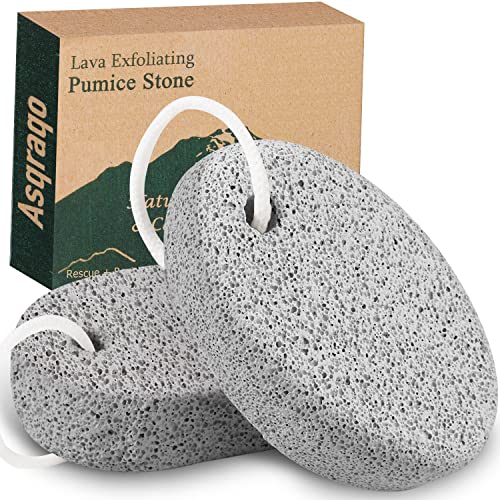 Asqraqo Natural Pumice Stone, 2PCS Lava Stones | Check price on Amazon | |
 Maryton Foot Pumice Stone, Pack of 4, Blue | Check price on Amazon | |
 Mr. Pumice Ultimate PUMI Bar, Dual Grit, 4 Pack | Check price on Amazon |
Key takeaways
- Find the best pumice stones for feet and hands, from natural lava and stone-on-a-rope styles to dual-grit bars, with clear tips on grit, care and safe use.
A pumice stone is the simplest foot care tool there is, and that simplicity is why choosing one well matters. There are no motors, blades, gels, or creams involved. You soak, wet the stone, and work in light circular strokes over rough heels, callused palms, and dry patches until the skin feels smoother. With the right shape, grit, and material, a short routine a couple of times a week keeps hard skin from building back up.
This guide is only about pumice stones themselves: natural volcanic lava stones, uniform synthetic stones, stones sold with a rope for hanging, and two-sided bars that pair a coarser face with a finer one. It does not cover electric removers, metal files, or softening products. The five stones below cover the main forms worth considering, from a single natural stone to multipacks for rotation and travel.
As an Amazon Associate, we earn from qualifying purchases.
Quick Answer
For most people, a natural lava stone such as the KuuCare or Pumice Valley pick is the best starting point for heels and palms. Choose the Asqraqo two-pack if you want a spare on a rope, the Maryton four-pack for uniform synthetic stones in rotation, and the Mr. Pumice bar when you want coarse and medium grit in one two-sided tool.
How to Choose
Start with material, because material decides how the stone feels and how long it lasts. Natural volcanic pumice is formed from cooled lava full of tiny air pockets. Each stone varies a little in size, shape, and pore pattern, which many people like for general heel and palm work. It feels grippy in the hand and abrasive without being sharp. Synthetic pumice is made to a uniform recipe, so every stone in a pack feels much the same. That consistency helps if you want predictable pressure, a flatter bar shape, or a two-sided design with different grits on each face.
Next, think about grit and shape. A coarser surface works faster on thick heel callus, while a finer surface is better for finishing, for toe edges, and for hands where skin is thinner. Two-sided stones put both options on one bar, so you can start coarse and finish fine. An oval stone sits comfortably in the palm for broad areas. A flat bar gives a longer edge for the ball of the foot and a stable grip.
Pack size and storage affect hygiene. A single stone is enough for one person who rinses and dries it well. A two-pack keeps one in the shower and one for travel. A four-pack suits households where each person needs a personal stone, since pumice should not be shared. Look for a rope loop or suction hook to hang the stone dry, because a stone left in standing water softens and wears faster.
Finally, soak first, wet the stone, and use light pressure. Stop if skin feels sore or looks red. Replace the stone when its surface feels smooth and glazed, edges crumble, or pores stay clogged after cleaning. People with diabetes, poor circulation, open cuts, or inflamed skin should check with a clinician before using any abrasive foot tool.
KuuCare Pumice Stone for Feet, Natural Earth Lava
The KuuCare stone is the classic natural option here. It is a single piece of natural earth lava pumice, shaped as a compact oval that fits in the palm and covers the heel in a few broad strokes. The listing describes it for calluses and rough, dry skin on feet, hands, elbows, and knees: heels first, then a quick pass over palms or elbows when needed. It also includes a suction hook, which makes the hang-to-dry routine easier in a shower.
Because it is natural stone, expect some variation in exact dimensions and texture. That is normal for volcanic pumice. Soak the area, wet the stone, and work in soft circular motions, rinsing both skin and stone so loosened skin does not clog the pores. The compact size also makes it a good travel stone.
Choose this one if you want one straightforward natural stone and prefer real lava over a uniform synthetic bar. Skip it if you want two grits in one tool or a multipack, since this is a single-grit, single-stone purchase.
Pumice Valley Pumice Stone, Natural Earth Lava Black
The Pumice Valley stone is another natural volcanic option, in black lava and a slightly chunkier, rounded form. The listing gives dimensions of about three and a half inches long, with a weight that feels substantial compared with thinner bars. That heft helps you keep pressure light and even as you guide it over the heel and ball of the foot. It is listed for feet, heels, and palms, for hard, dry skin and callus care.
The routine is the same: soak in warm water, wet the stone, and exfoliate gently in circular motions. The brand guidance stresses rinsing feet and stone afterward and hanging the stone to dry, the right habit for any natural pumice. The dark colour also hides the pale residue that shows more on grey stones.
Pick this stone if you want a natural lava stone with more presence in the hand. It is a sensible alternative to the KuuCare if you prefer a black stone or a larger footprint. Pass on it if you need a finer finishing side, because a single natural surface gives one level of abrasion, controlled mainly through pressure and soaking time.
Asqraqo Natural Pumice Stone, 2PCS Lava Stones
The Asqraqo set gives you two natural lava stones, which solves a common pumice problem: needing a fresh stone in a second place, or a replacement when the first wears smooth. Each stone is grey natural pumice for feet and hands, sized to sit in the palm, for hard skin and callus care on heels, soles, and palms. Having two also makes it easy to dedicate one to feet and keep the second for hands only.
Follow the method the listing repeats: soak the area in warm water, dampen the stone in the same water, and rub gently in a soft circular motion. Rinse, pat dry, and moisturise afterward if you wish. The listing advises use a couple of times a week rather than daily scrubbing. Pumice works gradually, so regular light sessions give a smoother result than one aggressive session.
Choose the Asqraqo pair if you want natural stone with a built-in spare, or if two people each need a personal stone. Consider a synthetic bar instead if you want a coarser side for very thick buildup, since both stones here offer a similar natural grit.
Maryton Foot Pumice Stone, Pack of 4, Blue
The Maryton four-pack takes the opposite approach: these are synthetic pumice stones made for a uniform structure and a consistent feel from stone to stone. The blue bars are flat and easy to grip, and the pack of four is built for rotation. Use one until it wears, move to the next, keep one in a gym bag, or give each household member a separate stone. The listing notes the synthetic construction directly, so there is no confusion about what you are buying.
A uniform surface can feel more predictable, especially for people new to pumice who worry about pressing too hard with a variable natural texture. Work on soaked, wet skin, use the flat face for heels and the edge for the sides of the foot, and rinse often. Because the stones are identical, it is also easier to notice when one has worn smooth, by comparing it with an unused bar.
Pick this pack if consistency, quantity, and household use without sharing a stone are your priorities. Look elsewhere if you want natural volcanic material or a two-grit design, because this set gives you more of the same useful stone rather than different tools.
Mr. Pumice Ultimate PUMI Bar, Dual Grit, 4 Pack
The Mr. Pumice Ultimate PUMI Bar is the two-sided specialist here. Each grey bar pairs a medium grit on one face with a coarse grit on the other, so one tool handles both stages of a session. Start with the coarse side on thicker heel callus after a good soak, then flip to the medium side to smooth the area and blend the edges. The pack contains four bars, which suits regular users who know a bar gradually wears down.
The listing lists the material as pumice stone and the weight as light, making the bar easy to control in the shower. Directions are to wet the bar and rub in a circular motion over feet, hands, or elbows, using the appropriate side for the area. Keep the coarse face for heels and the ball of the foot, and reserve the medium face for finishing and thinner skin. Using coarse grit everywhere is the fastest way to make skin sore.
Choose this bar if you deal with mixed buildup, thick in one spot and light in another, without owning two separate stones. Skip it if you prefer the irregular pores and heavier feel of natural lava, because this uniform bar feels noticeably different in the hand.
Who Should Skip It
Skip pumice stones altogether if you have diabetes, reduced circulation, neuropathy, open wounds, cracked skin that bleeds, or inflamed areas, unless a clinician has said an abrasive stone is appropriate for you. Pressure that feels mild can still cause harm in those situations, and professional foot care is safer. Also skip a stone if your main problem is pain inside the foot, a suspected wart, or a corn that keeps returning, because surface smoothing does not address the cause.
Also skip this class if you will not follow the wet-use routine. A stone used dry, with heavy pressure, or shared between people is more likely to irritate skin than to help. If you want a tool that works on dry skin with no soaking, a stone is the wrong purchase. Finally, skip multipacks if you live alone and use a stone only occasionally, since a single well-kept stone lasts a long time.
FAQ
How often should a pumice stone be used?
For most people, a couple of light sessions a week after soaking is enough. Daily heavy use tends to irritate skin. If buildup is thick, spread the work over several gentle sessions rather than trying to remove everything at once, and moisturise afterward.
Should a pumice stone be used wet or dry?
Use it wet, on skin that has soaked in warm water first. Wet skin softens, so the stone removes the rough surface with less pressure and less risk of tearing. Wetting the stone also helps it glide and keeps pores from clogging. Rinse both skin and stone during and after the session.
How do you clean and store a pumice stone?
Rinse the stone under running water after every use to clear loosened skin from the pores. Wash it occasionally with soap and water, rinse well, and hang it by its rope or hook until fully dry. Do not leave it in standing water, and do not share it.
When should a pumice stone be replaced?
Replace it when the surface feels smooth and stops working evenly, when edges crumble, when it develops an odour washing does not remove, or when pores stay clogged after cleaning. Judge by performance and condition rather than by a fixed calendar date.
Final Verdict
The best pumice stones are not complicated, and the right choice comes down to material, grit, and how many stones you actually need. Start with a natural lava stone, the KuuCare or the Pumice Valley, for a classic single-stone routine on heels and palms. Choose the Asqraqo two-pack for a natural spare, the Maryton four-pack for uniform synthetic bars in rotation, and the Mr. Pumice Ultimate bar when two grits in one tool will make your routine easier. Whichever you pick, soak first, work lightly, rinse and hang the stone dry, and replace it when it stops cutting.
Product and ASIN Reference
| Product | ASIN |
|---|---|
| KuuCare Pumice Stone for Feet, Natural Earth Lava | B01ERJ5FB8 |
| Pumice Valley Pumice Stone, Natural Earth Lava Black | B01JTFFPRE |
| Asqraqo Natural Pumice Stone, 2PCS Lava Stones | B08FMN2S2R |
| Maryton Foot Pumice Stone, Pack of 4, Blue | B07R6JZRS1 |
| Mr. Pumice Ultimate PUMI Bar, Dual Grit, 4 Pack | B01LMMYYBU |
More from Amazon
Programs that pair well with the guide above. Offers and eligibility are set by Amazon and may change.
Set up recurring deliveries of everyday items on eligible products. Terms and savings are set by Amazon.
Explore Subscribe & SaveCollect the home and kitchen items you want in one registry that guests can shop from.
Create a wedding registryFree shipping on eligible items, Prime Video and more. Eligible new members can start with a free trial.
Start a Prime free trialAudiobooks and podcasts to listen to on the go. Eligible new members can start with a free trial.
Try Audible freeAs an Amazon Associate we earn from qualifying purchases.










Write Your Review
No reviews yet. Be the first to share your experience!