Disdik Picks is reader-supported. When you buy through links on our site, we may earn a commission at no extra cost to you. As an Amazon Associate, we earn from qualifying purchases. Learn more ›
Best Electric Toothbrushes for Kids, Toddlers to Teens
Compare the best electric toothbrushes for kids, from gentle baby brushes to app-connected models with timers that help build two-minute brushing habits.
Compare the best electric toothbrushes for kids, from gentle baby brushes to app-connected models with timers that help build two-minute brushing habits.
⭐ Key Takeaways
Quick answer: Our top pick is Oral-B Kids Electric Toothbrush (Disney Frozen), with Philips Sonicare for Kids HX6311/07 as a strong alternative.
Getting a child to brush for a full two minutes, twice a day, is one of the quiet battles of parenting. An electric toothbrush helps on two fronts: the moving bristles do more of the cleaning work for small, uncoordinated hands, and built-in timers, music, and apps turn a chore into a routine children are more willing to repeat.
The five brushes below span the whole childhood range. Two rechargeable mainstays from Philips and Oral-B anchor the list for ages three and up, a Bluetooth Sonicare adds app-based coaching, a simple Colgate battery brush keeps things inexpensive, and the Brush-Baby BabySonic covers babies and toddlers who are far too young for the others.
As an Amazon Associate, we earn from qualifying purchases.
Quick Answer
Start most children on the Philips Sonicare for Kids or the Oral-B Kids rechargeable brush: both pair gentle cleaning with timers that teach good habits. The Bluetooth Sonicare adds app coaching for reluctant brushers, the Colgate battery brush keeps costs simple, and the Brush-Baby BabySonic is purpose-built for babies and toddlers under three.
How to Choose
Age fit is the first filter. Brushes for babies and toddlers under three use tiny heads and very gentle vibration, and they are designed for a parent to guide. Brushes for ages three and up have larger handles children can hold themselves, standard small heads, and features like timers that assume the child is doing at least part of the work.
Cleaning style comes next. Oral-B brushes use a small round head that rotates and oscillates around each tooth, while Philips Sonicare brushes use fast sonic vibration with a more traditional brush shape. Both approaches are well established; children often simply prefer the feel of one over the other, and the best brush is the one your child will actually use.
Timers matter more than most features. Dentists recommend two minutes of brushing, and children almost never guess that span correctly. Look for a two-minute timer, ideally with signals every thirty seconds to move to a new section of the mouth. Apps and reward systems help some children enormously and bore others, so treat them as a bonus rather than the main event.
Finally, think about running costs and power. Rechargeable brushes cost more up front but avoid a stream of batteries; battery brushes are cheaper and travel well. Either way, heads need replacing roughly every three months, so check that replacement heads for your chosen model are easy to find before you commit.
Oral-B’s kids brush pairs the brand’s familiar round-head cleaning action with Disney Frozen artwork that gives it instant shelf appeal for young fans. The rechargeable handle offers a gentle sensitive mode suited to small mouths, and the extra-soft bristles are designed for developing teeth and gums.
The brush works with the free Disney Magic Timer app, which reveals a picture as children brush and encourages them to keep going until the two minutes are up. The handle is sized for small hands with a grip that resists slipping in wet fingers. For children roughly three and older who respond to character motivation, this is a cheerful, capable starting point.
The Sonicare for Kids is the classic sonic choice, built around a handle that children can personalize with the included stickers, a small detail that genuinely increases willingness to brush. Its sonic vibration is gentle but thorough, and two intensity settings let younger children start soft before moving up.
The KidTimer gradually builds brushing time up to the full two minutes over a few weeks, which is a thoughtful way to train the habit, while the KidPacer plays musical cues that prompt children to move around the mouth. The rubberized head is kind to gums, and the rechargeable battery lasts a long stretch between charges. For most families, this is the benchmark kids’ electric brush.
This version of the Sonicare for Kids adds Bluetooth and a coaching app built around a character named Sparkly, who reacts as children brush and rewards completed sessions. The app also gives parents a dashboard view of how often and how long their child has brushed, which settles many arguments about whether brushing actually happened.
Underneath the connectivity, it is the same proven hardware: gentle sonic cleaning, a KidTimer that builds toward two minutes, and a kid-sized head with soft bristles. Choose this model over the standard Sonicare for Kids if your child is motivated by games and visible progress, or if you want an easy way to supervise the habit from your phone.
The Colgate Advanced Cavity Fighter kids brush is the simple, inexpensive route into electric brushing. It runs on a replaceable battery, so there is no charger to keep track of, and the slim handle lies flat, which makes it easy for a child to set down while applying toothpaste without the head rolling onto the counter.
The extra-soft bristles and small head suit young mouths, and the gentle vibration adds cleaning action beyond what a manual brush gives small hands. Because the upfront cost is low, this is a sensible choice for a first electric brush, for travel bags, or for children whose enthusiasm for brushing tools tends to fade quickly.
The BabySonic fills the gap the other four cannot: babies and toddlers from newborn age to about three years. Its very small head and soft bristles are sized for first teeth, and the gentle sonic pulses are mild enough for teething gums. A parent does the brushing, and the light, compact handle makes that easy to control.
A built-in two-minute timer pulses every thirty seconds, and the brush can also serve as a soothing teether-style introduction to the feel of a toothbrush before teeth even arrive. Replacement heads come in two sizes to match the youngest babies and toddlers. If your child is under three, this is the only pick on the list designed for them.
Specs
Feature
Detail
Type
Battery sonic brush
Age range
0 to 3 years
Timer
2 minutes, 30-second pulses
Heads
Two sizes available
Bristles
Soft, baby sized
Who Should Skip It
Skip app-connected brushes if your child finds screens distracting at bedtime or if you do not want another app account to manage; the standard Sonicare and Oral-B teach the same habits with plain timers. Skip electric brushes altogether for children who are frightened by vibration or buzzing near the face, since a manual brush used willingly beats an electric one used tearfully.
Also skip the standard kids’ models for children under three. Their heads and intensity are not designed for babies, which is exactly the niche the BabySonic exists to fill.
FAQ
When can a child start using an electric toothbrush?
Most kids’ electric brushes are labeled for ages three and up, when children can hold a handle and tolerate the sensation. For babies and toddlers, use a baby-specific design like the BabySonic, with a parent doing the brushing, or start with a soft manual brush.
How often should kids’ brush heads be replaced?
Plan on a fresh head about every three months, sooner if the bristles look splayed or after an illness. Worn bristles clean poorly and can be rough on gums, and children tend to chew heads, which shortens their useful life further.
Are electric toothbrushes better than manual ones for kids?
They can be, mainly because the powered motion compensates for a child’s still-developing technique and because timers enforce the full two minutes. A manual brush used carefully for two minutes still does the job; the electric advantage is consistency and motivation.
Can siblings share one electric handle?
Yes, and it is a common way to save money. Each child should have their own color-coded brush head, swapped onto the shared handle at brushing time. Keep heads stored separately and replace them on the normal schedule for each child.
Final Verdict
For most children three and older, the Philips Sonicare for Kids and the Oral-B Kids brush are the safest buys, with the Bluetooth Sonicare worth it for app-motivated kids. The Colgate covers tight budgets and travel, and the BabySonic is the clear choice for the under-three crowd.
D
Disdik Picks Editorial Team
We compare specs, materials and verified owner reviews before a product earns a spot. Rankings are never paid.
Affiliate disclosure. As an Amazon Associate we earn from qualifying purchases at no extra cost to you. Prices accurate as of the date shown.
Find the best razors for women for legs, underarms and sensitive skin. Compare five cartridge, disposable and shave-kit options and choose a smooth shave.
We compared the best comforters for every sleeper, from light all-season inserts to plush king-size picks, so you can find the right warmth for your bed.
We compared the best calculators for students, professionals, and home offices, covering scientific, graphing, financial, printing, and desktop models.

 Oral-B Kids Electric Toothbrush (Disney Frozen)
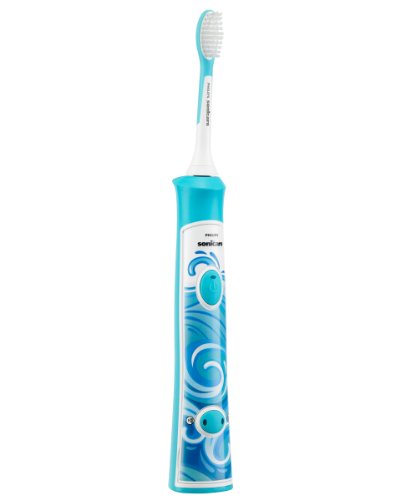 Philips Sonicare for Kids HX6311/07
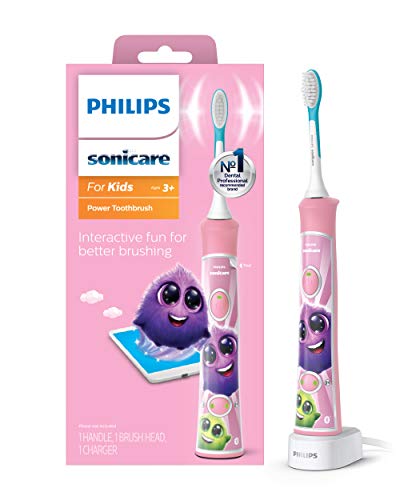 Philips Sonicare for Kids Bluetooth HX6351/41
 Colgate Kids Battery Powered Toothbrush
 Brush-Baby BabySonic Electric Toothbrush










Write Your Review
No reviews yet. Be the first to share your experience!