Disdik Picks is reader-supported. When you buy through links on our site, we may earn a commission at no extra cost to you. As an Amazon Associate, we earn from qualifying purchases. Learn more ›
Rollator vs Walker: Which Mobility Aid Is Right for You?
Compare rollator vs walker stability, brakes, seats and folding designs to choose the right mobility aid for daily walks, home use and recovery.
Nov 19, 2026
Updated Nov 20, 2026
9 min read
0 views
Choosing between a rollator and a standard walker affects balance, endurance, and confidence on every trip around the home or neighborhood. A standard walker has four legs that stay planted until lifted or glided forward, which gives very steady support at a slow pace. A rollator has four wheels, hand brakes, and usually a built-in seat, so it rolls continuously and lets the user rest without searching for a chair. Neither design is better for everyone. The right choice depends on strength, balance, hand control, typical distances, doorway widths, and whether a clinician has recommended a specific level of support. This guide compares three rollators and two folding walkers side by side, explains the trade-offs in plain language, and highlights the details worth checking before ordering, including handle height, frame width, wheel size, and folding method.
As an Amazon Associate, we earn from qualifying purchases.
Quick answer
Choose a standard folding walker for maximum stability, slow-paced recovery, and support when balance is limited. Choose a rollator for longer walks, smoother rolling, hand brakes, and a seat for rest breaks. Confirm handle height, frame width, and weight capacity with a clinician before buying either type for daily use.
Rollators: rolling support with brakes and a seat
Rollators suit people who can steer, squeeze brakes reliably, and walk at a steady pace without leaning heavily on the frame. The seat and storage pouch or basket help on shopping trips, clinic visits, and longer hallways. Larger wheels handle thresholds and outdoor pavement more smoothly than small glide tips, while locking brakes add control on slopes and when sitting down or standing up.
The Drive Medical Aluminum Rollator Walker, model R726BK, is a classic four-wheel rollator with a padded seat, removable back support, and a storage pouch under the seat. The aluminum frame folds for transport, and the handles adjust to help match wrist height when standing upright. Six-inch wheels suit indoor floors and smooth outdoor paths, and the loop brakes allow slowing and locking before sitting. This model fits shoppers who want a straightforward rollator without extra accessories. Check the overall width against bathroom and bedroom doorways, confirm the seat height allows feet to rest flat on the floor, and practice using both brakes evenly. The padded seat is intended for short rest breaks on level ground with brakes locked, not for being pushed while seated.
The Medline Steel Rollator Walker with Seat uses a steel frame in a burgundy finish and is listed with a padded seat, backrest, and storage bag. Steel adds durability for frequent daily use, although the frame feels heavier to lift into a vehicle than an aluminum design. Six-inch wheels, adjustable handles, and hand brakes follow the standard rollator layout, making the controls familiar for caregivers helping with setup. This option suits users who prioritize a sturdy frame and a traditional look for home and neighborhood walks. Before ordering, confirm the folded size fits the intended closet or trunk, check that the user can operate the brake levers without excessive hand strain, and measure the seat height and handle range against the user height recommendations in the listing.
The Medline Premium Empower Rollator Walker adds comfort-focused details to the standard rollator format, including a memory foam seat, a backrest, and a cup holder. Eight-inch wheels roll more easily over cracks, rugs, and outdoor transitions than smaller wheels, and the frame folds for storage and travel. Adjustable handles and locking hand brakes support a customized fit and safer rest stops. This model suits walkers who cover longer distances and value a softer seat during breaks. Because comfort features add bulk, verify the open width for narrow hallways and the folded dimensions for car transport. Also check the seat depth and backrest position, since a comfortable seated posture with feet supported matters as much as rolling performance.
Standard and folding walkers: maximum stability
Standard and two-wheel folding walkers suit people who need to place weight through their arms, move step by step, and pause often. The frame does not roll away as freely as a rollator, which many clinicians prefer early in recovery or when balance is unpredictable. Two front wheels with rear glide caps reduce lifting while keeping a controlled pace.
Drive Medical Two-Button Folding Walker with Wheels
Drive Medical Two-Button Folding Walker with Wheels
The Drive Medical Two-Button Folding Walker with Wheels, model 10210-1, is an aluminum front-wheel walker with five-inch front wheels and rear glide caps. Each side folds independently using push-button mechanisms, which helps the walker pass through narrow doorways and fold flatter for storage. Height-adjustable legs support a proper fit, and the frame is listed for higher weight capacity than many basic walkers. This design suits indoor use, short outdoor trips on smooth surfaces, and recovery routines that call for a slower, deliberate gait. Confirm that the user can press the folding buttons without pinching, set all four legs to the same height, and replace glide caps when worn. The walker provides support while standing and walking, not a seat for resting.
The Medline Two-Button Folding Walker with Wheels follows the same front-wheel concept with a lightweight aluminum frame, five-inch wheels, and textured hand grips. The two-button release folds each side, making storage in a closet or vehicle simpler than with a fixed frame. Adjustable height helps align the hand grips near the wrist crease when arms hang relaxed, a common fitting guideline to discuss with a clinician. This walker suits shoppers who want a simple, widely available design for home use and short outings. Check the listed capacity, the grip shape for arthritic hands, and whether replacement wheels and glide caps are easy to source. As with any front-wheel walker, it works best on level surfaces and needs lifting or careful guidance over thresholds.
How to choose
Start with safety and professional guidance. A doctor, physical therapist, or occupational therapist can advise whether continuous rolling support is appropriate or whether a standard walker is safer for current balance and strength. Next, measure the user. Handle height should allow a slight elbow bend while standing tall, seat height on a rollator should let feet rest flat, and overall width must clear the narrowest doorway on the daily route with room for hands.
Then match the design to daily routines. For mostly indoor, short-distance use and step-by-step movement, a folding front-wheel walker is usually simpler and steadier. For longer walks, errands, and planned rest breaks, a rollator with larger wheels and a comfortable seat is usually more practical. Consider hand strength carefully, since rollator brakes demand a reliable squeeze, while walker buttons demand pressing and lifting motions.
Finally, check practical details before ordering. Confirm weight capacity with a safety margin, folded size for the car or closet, frame weight for whoever lifts it, and availability of replacement brakes, wheels, and glide caps. Read the assembly steps, note whether tools are needed, and plan a first practice session on a flat indoor surface with a caregiver nearby. Avoid using any mobility aid on stairs, and follow the manufacturer instructions for brake locking and seat use.
Who should skip
Skip a rollator if balance is poor, if the user tends to lean heavily and push the frame ahead, or if hand strength is not enough to control the brakes consistently. In those cases, a standard walker or a clinician-directed alternative is safer. Skip a standard walker if the user cannot lift or glide a frame repeatedly without fatigue, needs a seat for frequent rest breaks, or walks longer distances where constant lifting would limit activity. Also skip both options if the listed capacity, handle range, or width does not fit the user or the home. Do not buy a mobility aid as a substitute for medical advice after a fall, surgery, or a sudden change in strength. Get an in-person assessment first, then choose the design that matches that assessment.
FAQ
Is a rollator safer than a walker?
Neither is automatically safer. A standard walker offers more planted stability for slow, supported steps, while a rollator offers brakes and a seat but requires steering and brake control. Safety depends on balance, strength, hand control, and professional guidance for the individual user.
Can a rollator be used as a wheelchair or transport chair?
No, unless the specific model is designed and labeled as a combination transport chair. Standard rollator seats are for short rest breaks with brakes locked on level ground. A seated person should not be pushed on a regular rollator during everyday use.
What handle height is correct for a walker or rollator?
A common fitting guideline places the hand grip near the wrist crease when the user stands upright with arms relaxed, allowing a slight elbow bend. Confirm the fit in person, wear usual walking shoes during measuring, and ask a clinician to check posture and gait.
Do walkers and rollators fold for car travel?
Most models in this guide fold, but folded size and frame weight vary. Front-wheel walkers with independent side folding usually pack flattest. Rollators fold as well, though seats, backrests, and larger wheels add bulk. Check folded dimensions against the trunk before ordering.
Final verdict
For steady, step-by-step support at home, the two folding front-wheel walkers are the safer starting point, with the Drive Medical and Medline two-button models offering simple folding and adjustable height. For longer, smoother walks with planned rest stops, choose a rollator. The Drive Medical Aluminum Rollator is the straightforward pick, the Medline Steel Rollator favors a sturdy traditional frame, and the Medline Premium Empower adds a softer seat and larger wheels for comfort. Match the final choice to clinician guidance, correct handle and seat height, doorway width, and brake or button control. The best mobility aid is the one that fits the user, fits the home, and supports a consistent daily walking routine.
D
Disdik Picks Editorial Team
We compare specs, materials and verified owner reviews before a product earns a spot. Rankings are never paid.
Affiliate disclosure. As an Amazon Associate we earn from qualifying purchases at no extra cost to you. Prices accurate as of the date shown.
Find the best razors for women for legs, underarms and sensitive skin. Compare five cartridge, disposable and shave-kit options and choose a smooth shave.
We compared the best comforters for every sleeper, from light all-season inserts to plush king-size picks, so you can find the right warmth for your bed.
We compared the best calculators for students, professionals, and home offices, covering scientific, graphing, financial, printing, and desktop models.

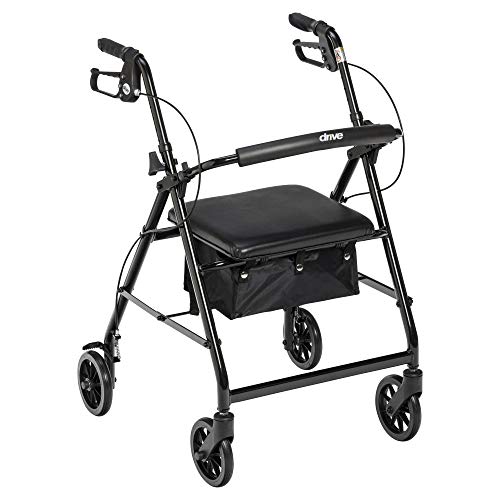 Drive Medical Aluminum Rollator Walker
 Medline Steel Rollator Walker with Seat
 Medline Premium Empower Rollator Walker
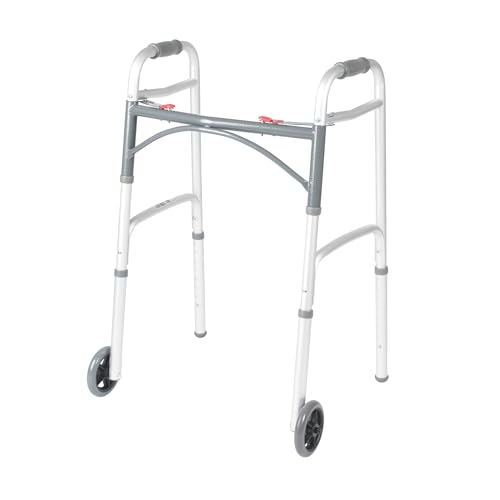 Drive Medical Two-Button Folding Walker with Wheels










Write Your Review
No reviews yet. Be the first to share your experience!